
Diet cola nutrition has become one of the most popular topics for people seeking to reduce calorie and sugar intake while still enjoying carbonated soft drinks. With zero calories and no sugar, diet sodas appeal to health-conscious consumers, dieters, and those managing diabetes. However, questions persist about artificial sweeteners, nutritional content, and potential health effects. This comprehensive guide examines diet cola nutrition facts, ingredients, and what science reveals about these zero-calorie beverages.
Understanding Diet Cola Nutrition Facts
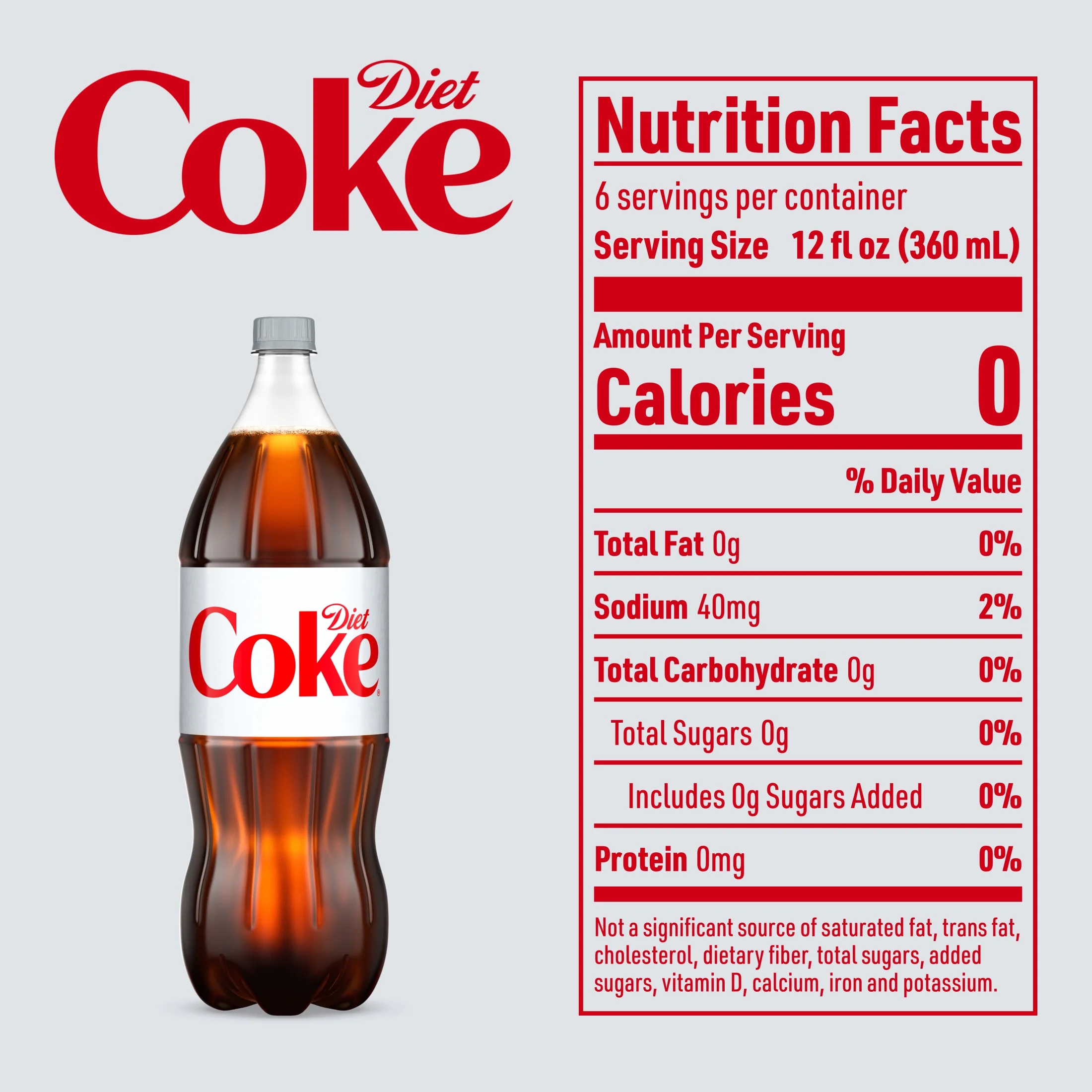
Diet cola distinguishes itself from regular cola primarily through its use of artificial sweeteners instead of sugar. A standard 12-ounce can of diet cola contains zero calories, zero grams of sugar, zero grams of fat, and zero grams of protein. This nutritional profile contrasts sharply with regular cola, which typically contains approximately 140 calories and 39 grams of sugar per 12-ounce serving.
The absence of calories and sugar makes diet cola appealing for weight management and blood sugar control. However, the zero-calorie profile doesn’t mean diet cola provides nutritional benefits. These beverages contain no vitamins, minerals, or essential nutrients that contribute to daily nutritional requirements.
Diet cola does contain sodium, typically ranging from 40-70 milligrams per 12-ounce serving, though amounts vary by brand. While this sodium content is relatively low compared to many foods, people monitoring sodium intake should account for diet soda consumption in their daily totals.
Caffeine content represents another nutritional consideration. Most diet colas contain 34-46 milligrams of caffeine per 12-ounce serving, roughly one-third the amount in a cup of coffee. Caffeine-free versions are available for those avoiding or limiting caffeine consumption.
Key Ingredients in Diet Cola
Understanding diet cola ingredients helps consumers make informed beverage choices. Carbonated water forms the base, providing the fizzy texture characteristic of soda. This water has been infused with carbon dioxide gas under pressure, creating the bubbles and effervescence.
Artificial sweeteners replace sugar in diet cola formulations. Aspartame is the most common sweetener in diet sodas like Diet Coke and Diet Pepsi. This low-calorie sweetener is approximately 200 times sweeter than sugar, allowing manufacturers to achieve desired sweetness with minimal amounts. Other formulations use sucralose, acesulfame potassium, or combinations of multiple sweeteners.
Caramel color gives diet cola its distinctive brown appearance. This coloring agent is created by heating sugars with various compounds, though it provides no nutritional value or flavor contribution beyond visual appeal.
Phosphoric acid adds tartness and acts as a preservative, extending shelf life. This acid contributes to cola’s characteristic tangy flavor profile while preventing bacterial and mold growth. However, phosphoric acid has raised concerns about potential effects on bone health and tooth enamel.
Natural flavors create the complex taste profile associated with cola beverages. These proprietary flavor combinations remain closely guarded trade secrets among manufacturers. The term “natural flavors” refers to flavoring derived from plant or animal sources, though specific ingredients aren’t disclosed on labels.
Citric acid appears in some diet cola formulations, adding tartness and serving as a preservative. This naturally occurring acid is found in citrus fruits and helps maintain beverage stability during storage.
Artificial Sweeteners: Types and Safety
Aspartame dominates diet cola sweetener formulations. Composed of two amino acids—aspartic acid and phenylalanine—aspartame has been extensively studied and deemed safe by regulatory agencies worldwide. However, individuals with phenylketonuria, a rare genetic disorder, must avoid aspartame as they cannot properly metabolize phenylalanine.
Sucralose, marketed as Splenda, appears in some diet cola brands and flavored varieties. This sweetener is created by modifying sugar molecules, resulting in a compound that tastes sweet but isn’t absorbed or metabolized for energy. Sucralose is approximately 600 times sweeter than sugar.
Acesulfame potassium, often abbreviated as Ace-K, frequently combines with other sweeteners in diet beverages. This heat-stable sweetener can withstand beverage processing temperatures and provides approximately 200 times the sweetness of sugar.
Regulatory agencies including the Food and Drug Administration, European Food Safety Authority, and World Health Organization have approved these artificial sweeteners for consumption after extensive safety testing. These organizations establish acceptable daily intake levels based on body weight, and typical diet soda consumption falls well below these thresholds.
Diet Cola vs Regular Cola: Nutritional Comparison
The nutritional differences between diet and regular cola are dramatic, particularly regarding calories and sugar content. Regular cola’s 140 calories per 12-ounce serving come entirely from sugar, while diet cola contains zero calories. For someone drinking one soda daily, switching from regular to diet cola eliminates approximately 51,100 calories annually—equivalent to roughly 14.6 pounds of body weight in pure caloric terms.
Sugar content presents another stark contrast. Regular cola contains about 39 grams of sugar per 12-ounce serving, exceeding the American Heart Association’s recommended daily limit of 25 grams for women and approaching the 36-gram limit for men. Diet cola contains no sugar, making it attractive for people monitoring carbohydrate intake or managing diabetes.
However, diet cola doesn’t offer nutritional advantages in other areas. Both regular and diet versions lack vitamins, minerals, fiber, and protein. Neither contributes to daily nutritional requirements beyond hydration, which could be better achieved through water or other beverages.
The similar caffeine content means both regular and diet cola provide comparable stimulant effects. People sensitive to caffeine experience similar responses regardless of which version they choose.
Health Effects and Concerns
Research on diet cola health effects yields mixed findings, creating ongoing debate among health professionals. Weight management represents a primary motivation for choosing diet soda, yet studies show conflicting results. Some research suggests artificial sweeteners may interfere with metabolic processes, potentially affecting appetite regulation and glucose metabolism.
Observational studies have found associations between diet soda consumption and increased risk of metabolic syndrome, type 2 diabetes, and cardiovascular disease. However, these associations don’t prove causation, as confounding factors may explain the relationships. People choosing diet soda often have existing health concerns or dietary patterns that independently affect disease risk.
Dental health concerns apply to both regular and diet cola. The acidic nature of these beverages, primarily from phosphoric and citric acids, can erode tooth enamel over time. While diet cola avoids sugar’s cavity-causing effects, the acid content still poses risks to dental health with frequent consumption.
Bone health concerns relate to phosphoric acid content in cola beverages. Some research suggests high phosphoric acid intake may interfere with calcium absorption or promote calcium loss from bones. However, evidence remains inconclusive, and moderate diet cola consumption likely poses minimal risk when overall calcium intake is adequate.
Gut microbiome effects have emerged as a newer research area. Some studies suggest artificial sweeteners may alter gut bacteria composition, potentially affecting digestive health, metabolism, and immune function. However, research in this area remains preliminary, with more studies needed to understand long-term implications.
Diet Cola and Weight Management
Many people choose diet cola as a weight loss tool, reasoning that zero-calorie beverages can replace high-calorie options without sacrificing taste satisfaction. This strategy can work effectively when diet soda simply replaces regular soda or other sweetened beverages without compensatory calorie increases elsewhere.
However, some research suggests artificial sweeteners may affect hunger and satiety signals, potentially leading people to consume more calories from other sources. The mechanisms remain unclear, but theories include taste confusion affecting metabolic responses, psychological compensation where people justify additional food intake after choosing zero-calorie beverages, and potential effects on hormones regulating appetite.
Individual responses to diet cola vary considerably. Some people successfully use diet soda as part of weight management strategies, while others find it unhelpful or counterproductive. Personal experimentation and attention to overall dietary patterns provide better guidance than sweeping generalizations.
For weight management, diet cola works best as one component of a comprehensive approach including balanced nutrition, portion control, regular physical activity, and adequate sleep. Viewing diet soda as a “free” food that allows unlimited consumption without consequences may undermine overall health goals.
Making Informed Choices About Diet Cola
Deciding whether to include diet cola in your diet depends on individual circumstances, health status, and personal preferences. For people transitioning from regular soda, diet versions offer significant calorie and sugar reduction benefits. This switch can support weight management goals and reduce added sugar intake to healthier levels.
Moderation remains key with diet cola consumption. While occasional diet soda likely poses minimal health risks for most people, treating it as a primary beverage choice may not support optimal health. Water, unsweetened tea, and other low-calorie beverages without artificial sweeteners provide hydration without potential concerns associated with artificial ingredients.
People with specific health conditions should consult healthcare providers about diet soda consumption. Those with phenylketonuria must strictly avoid aspartame-containing products. People with diabetes should discuss diet soda’s role in their management plan, as individual metabolic responses vary.
Reading nutrition labels helps consumers understand exactly what they’re consuming. Different brands and varieties use varying sweetener combinations and formulations, so comparing options allows informed choices aligned with personal preferences and health priorities.
Healthier Alternatives to Diet Cola
For those seeking to reduce or eliminate diet cola consumption, numerous alternatives provide refreshing options without artificial sweeteners. Sparkling water offers carbonation satisfaction without sweeteners, calories, or artificial ingredients. Flavored seltzers provide taste variety while maintaining zero-calorie profiles through natural flavoring rather than sweeteners.
Unsweetened iced tea delivers flavor complexity with beneficial antioxidants from tea leaves. Black, green, white, and herbal teas offer diverse taste profiles to suit various preferences. Adding lemon, mint, or fruit slices enhances flavor naturally without sweeteners.
Infused water combines hydration with subtle flavoring by steeping fruits, vegetables, or herbs in water. Cucumber mint, strawberry basil, and citrus combinations provide refreshing alternatives to diet soda while encouraging increased water intake.
Kombucha offers probiotic benefits alongside carbonation and complex flavors from fermentation. While kombucha contains small amounts of sugar and calories from the fermentation process, quantities remain relatively low compared to regular soda.
For those who enjoy the ritual of soda consumption more than specific taste, experimenting with alternative beverages often reveals satisfying replacements that support health goals without sacrifice.
Frequently Asked Questions
How many calories are in diet cola?
Diet cola contains zero calories per serving. A standard 12-ounce can, 16-ounce bottle, or 20-ounce bottle all contain 0 calories regardless of size. This zero-calorie content results from replacing sugar with artificial sweeteners like aspartame or sucralose, which provide sweetness without calories. This contrasts dramatically with regular cola, which contains approximately 140 calories per 12-ounce serving from sugar content.
What artificial sweeteners are in diet cola?
Most diet colas use aspartame as the primary artificial sweetener, including popular brands like Diet Coke and Diet Pepsi. Some varieties use sucralose, acesulfame potassium, or combinations of multiple sweeteners. Coke Zero Sugar uses aspartame and acesulfame potassium together for a taste closer to regular Coca-Cola. Different brands and product lines may use varying sweetener formulations, so checking ingredient labels provides specific information for each product.
Is diet cola bad for your health?
Research yields mixed results about diet cola health effects. Moderate consumption is generally considered safe for most people according to regulatory agencies worldwide. However, some studies suggest potential concerns including metabolic effects, gut microbiome changes, and dental erosion from acidity. Diet cola offers benefits over regular soda by eliminating sugar and calories, but it provides no nutritional value. Moderation and individual health considerations should guide consumption decisions.
Does diet cola cause weight gain?
Diet cola itself contains zero calories and shouldn’t directly cause weight gain. However, some research suggests artificial sweeteners may affect metabolism, appetite regulation, or food choices in ways that could indirectly influence weight. Some people may psychologically compensate by eating more calories elsewhere after consuming zero-calorie beverages. Individual responses vary, and overall dietary patterns matter more than single food choices. Many people successfully use diet soda while maintaining or losing weight.
Can diabetics drink diet cola?
Most diabetics can safely consume diet cola as it contains no sugar and doesn’t raise blood glucose levels directly. The zero-carbohydrate profile makes diet soda appealing for blood sugar management. However, some research suggests artificial sweeteners might affect insulin sensitivity or glucose metabolism through indirect mechanisms. Diabetics should consult their healthcare providers about diet soda’s role in their individual management plans, as responses vary between people.
Does diet cola have sugar?
No, diet cola contains zero grams of sugar. This distinguishes diet soda from regular cola, which typically contains 39 grams of sugar per 12-ounce serving. Diet cola achieves sweetness through artificial sweeteners rather than sugar, allowing zero-calorie formulations. Some “zero sugar” cola varieties use similar sweetener approaches. Always check labels, as some reduced-sugar products differ from true diet or zero-sugar formulations.
How much caffeine is in diet cola?
Diet cola typically contains 34-46 milligrams of caffeine per 12-ounce serving, varying by brand. Diet Coke contains approximately 46 milligrams, while Diet Pepsi contains about 35 milligrams per 12-ounce serving. This represents roughly one-third the caffeine in a typical cup of coffee. Caffeine-free versions of most diet colas are available for those avoiding or limiting caffeine. Larger serving sizes contain proportionally more caffeine.
Is diet cola better than regular soda?
Diet cola offers advantages over regular soda primarily through eliminating calories and sugar. Replacing regular soda with diet versions significantly reduces daily calorie and sugar intake, supporting weight management and dental health. However, diet cola lacks nutritional value and contains artificial ingredients some people prefer to avoid. The “better” choice depends on individual health goals, concerns about artificial sweeteners, and overall dietary context. Water and unsweetened beverages represent healthier alternatives to both.
Does diet soda affect teeth?
Yes, diet cola can affect dental health despite containing no sugar. The phosphoric and citric acids in diet soda create an acidic environment that can erode tooth enamel over time with frequent exposure. While diet cola avoids sugar’s cavity-causing effects, acid erosion poses different dental risks. Drinking through straws, rinsing with water afterward, and limiting sipping throughout the day can minimize dental damage. Regular dental checkups remain important for people who frequently consume acidic beverages.
Can you drink diet cola during pregnancy?
Moderate diet cola consumption is generally considered safe during pregnancy according to major health organizations. The FDA and American College of Obstetricians and Gynecologists indicate artificial sweeteners like aspartame are safe in moderate amounts during pregnancy. However, pregnant women should limit caffeine intake to 200 milligrams daily, so diet cola consumption should fit within this caffeine budget. Some women prefer avoiding artificial ingredients during pregnancy as a precautionary measure. Pregnant women should discuss diet soda consumption with their healthcare providers.
What’s the difference between diet cola and zero sugar cola?
Diet cola and zero sugar cola both contain zero calories and no sugar, using artificial sweeteners instead. The primary difference lies in sweetener formulations and flavor profiles. Coke Zero Sugar uses aspartame and acesulfame potassium to taste more like regular Coca-Cola, while Diet Coke has a distinct flavor profile using primarily aspartame. Marketing targets also differ, with “zero sugar” branding often aimed at men who perceive “diet” as feminine. Nutritionally, both provide essentially identical zero-calorie profiles.
Does diet cola contain sodium?
Yes, diet cola contains sodium, typically ranging from 40-70 milligrams per 12-ounce serving depending on the brand. Diet Coke contains approximately 40 milligrams, while some other brands contain slightly more. This sodium content is relatively low compared to many foods and beverages. For reference, the recommended daily sodium limit is 2,300 milligrams. People on very low-sodium diets should account for diet soda’s contribution, but for most people, the amount is not a significant concern.
Leave a Reply