
Access to affordable medications remains one of the most significant healthcare challenges facing millions of Americans. Community health center pharmacy exist to bridge this gap, providing essential prescription services to underserved populations regardless of their ability to pay. These specialized pharmacies combine quality pharmaceutical care with a mission-driven approach that prioritizes patient health over profits.
What Is a Community Health Center Pharmacy?
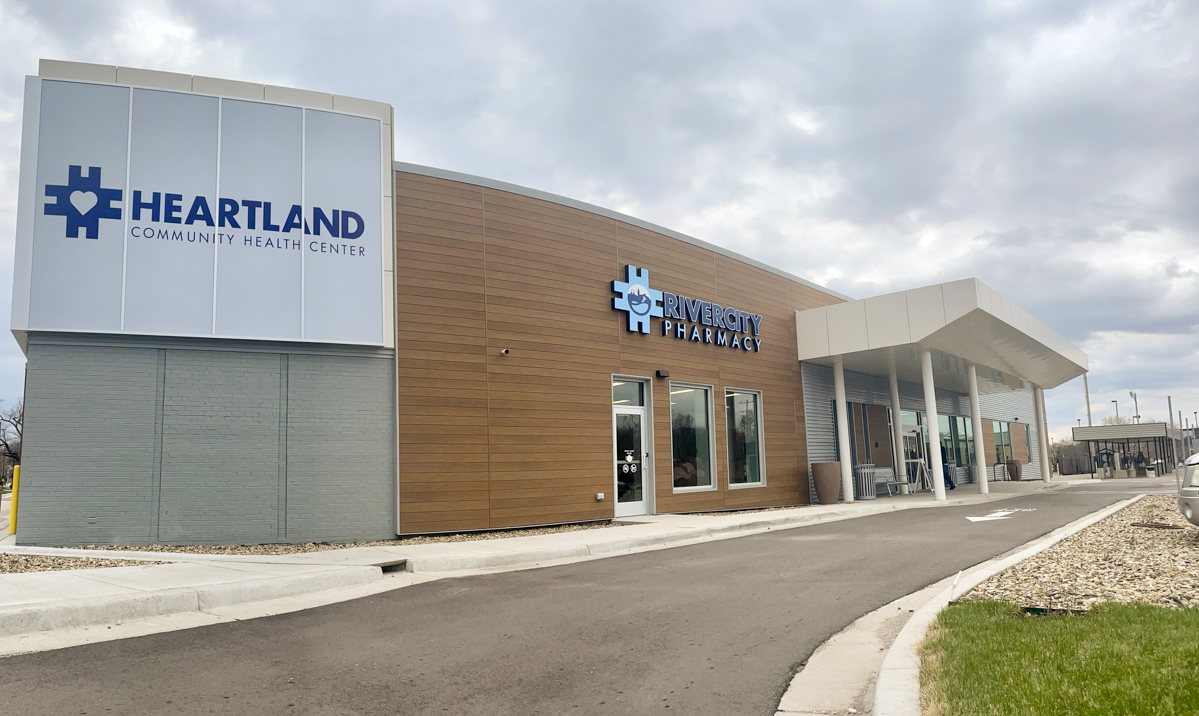
A community health center pharmacy operates within or in partnership with federally qualified health centers (FQHCs) to provide comprehensive medication services to vulnerable and underserved communities. Unlike traditional retail pharmacies, these pharmacies are specifically designed to serve patients who face barriers to healthcare access, including the uninsured, underinsured, and those living in poverty.
Community health center pharmacies offer the same medications available at retail chains but with a fundamental difference in their approach. They utilize federal programs like the 340B Drug Pricing Program to purchase medications at significantly reduced costs, passing those savings directly to patients. This means someone without insurance can receive the same prescription that might cost hundreds of dollars at a retail pharmacy for a fraction of the price.
Beyond dispensing medications, these pharmacies integrate closely with the health center’s medical team. Pharmacists collaborate directly with physicians, nurses, and care coordinators to ensure patients receive optimal medication therapy while managing costs effectively. This integrated care model leads to better health outcomes and improved medication adherence among populations that traditionally struggle with both.
The 340B Drug Pricing Program: Making Medications Affordable
The foundation of community health center pharmacy affordability lies in the 340B Drug Pricing Program. Established by Congress in 1992, this program requires pharmaceutical manufacturers to provide outpatient drugs at significantly discounted prices to covered entities, including federally qualified health centers.
Under 340B pricing, eligible health centers can purchase medications at discounts ranging from 25% to 50% off regular wholesale prices. These substantial savings enable community health centers to stretch their limited resources, serving more patients and providing more comprehensive services. Importantly, patients directly benefit from these reduced medication costs through sliding fee scales based on household income.
The 340B program doesn’t just make medications cheaper—it fundamentally changes what’s possible for safety net healthcare providers. The savings generated allow health centers to offer services that would otherwise be financially unfeasible, including expanding pharmacy hours, providing medication delivery to homebound patients, and offering specialized medication therapy management programs.
Patients receiving care at a federally qualified health center automatically qualify for 340B pricing at the health center’s pharmacy. This eligibility isn’t based on insurance status or income—if you’re a patient of the health center, you’re eligible for the program’s benefits. However, the actual out-of-pocket cost you pay may be further reduced through the health center’s sliding fee discount program based on your financial circumstances.
Services Offered at Community Health Center Pharmacies
Prescription Dispensing and Medication Counseling
The core service of any pharmacy is filling prescriptions, and community health center pharmacies excel at making this process patient-centered and accessible. Pharmacists take time to ensure patients understand their medications, including proper usage, potential side effects, and why the medication is important for their health condition.
For patients managing multiple chronic conditions with several medications, pharmacists provide comprehensive medication reviews. These consultations identify potential drug interactions, duplicate therapies, or opportunities to simplify medication regimens. The goal is ensuring medications work together safely and effectively while minimizing complexity and cost.
Medication Therapy Management
Medication therapy management (MTM) represents one of the most valuable services community health center pharmacies provide. This comprehensive service involves pharmacists working directly with patients to optimize medication use and achieve specific health outcomes.
During MTM sessions, pharmacists conduct thorough reviews of all medications a patient takes, including prescriptions, over-the-counter drugs, and supplements. They identify medication-related problems, make recommendations to providers, and create personalized action plans. For patients with chronic diseases like diabetes, hypertension, or heart disease, MTM services significantly improve disease control and quality of life.
Research consistently shows that patients receiving MTM services have better medication adherence, fewer hospitalizations, and improved clinical outcomes. Community health centers prioritize MTM for their highest-risk patients, including those with multiple chronic conditions, those taking numerous medications, and those who have experienced recent hospitalizations.
Immunization Services
Many community health center pharmacies serve as immunization hubs for their communities, offering vaccines for influenza, COVID-19, pneumonia, shingles, and other preventable diseases. Pharmacist-administered immunizations increase access by providing convenient scheduling and extended hours that accommodate working patients.
The integration with primary care means immunization records flow seamlessly into patients’ medical charts, ensuring comprehensive health records. Pharmacists also identify immunization gaps during prescription pickups, catching opportunities to protect patients that might otherwise be missed.
Chronic Disease Management Support
Community health center pharmacies play crucial roles in managing chronic conditions that require ongoing medication therapy. For diabetes patients, pharmacists provide education on blood sugar monitoring, insulin administration techniques, and recognizing signs of complications. They coordinate with dietitians and diabetes educators to provide comprehensive disease management.
For patients with hypertension, pharmacists often conduct blood pressure monitoring and adjust medications under collaborative practice agreements with physicians. This pharmacist-physician collaboration means patients receive more frequent medication adjustments, leading to faster blood pressure control and reduced cardiovascular risk.
Asthma patients benefit from pharmacist training on proper inhaler technique—a critical skill that many patients perform incorrectly without proper instruction. For mental health conditions, pharmacists provide essential counseling about psychiatric medications, side effect management, and the importance of adherence even when patients start feeling better.
Medication Assistance Programs
Community health center pharmacies serve as access points for pharmaceutical manufacturer patient assistance programs. These programs provide brand-name medications at no cost to qualifying low-income patients. Navigating these programs’ complex application processes can be overwhelming, but pharmacy staff guide patients through enrollment and renewal.
Beyond manufacturer programs, pharmacists connect patients with state pharmaceutical assistance programs, discount cards, and other resources that reduce medication costs. This comprehensive approach to affordability ensures patients can access necessary medications regardless of financial barriers.
Specialty Medication Services
Some community health center pharmacies have expanded into specialty pharmacy services, managing complex medications for conditions like HIV/AIDS, hepatitis C, and cancer. Specialty medications require additional patient education, monitoring, and coordination with specialty providers.
By offering these services in-house, community health centers ensure their most vulnerable patients—who might face discrimination or access barriers at commercial specialty pharmacies—receive compassionate, culturally competent care. Pharmacists trained in specialty medications provide intensive counseling and ongoing support that improves treatment success rates.
The Sliding Fee Discount Program
One of the most important features distinguishing community health center pharmacies is the sliding fee discount program. This income-based discount structure ensures that medication costs remain affordable even for patients with extremely limited resources.
The sliding fee scale considers household size and income, placing patients into discount categories typically ranging from full-cost to 100% discount. Patients at or below the federal poverty level often receive medications at no cost or for nominal fees like one or two dollars per prescription. Those with incomes above poverty level but still struggling financially receive substantial discounts that make medications affordable.
To qualify for sliding fee discounts, patients provide documentation of income, such as pay stubs, tax returns, or letters confirming public assistance. Health centers strive to make this process as simple and non-stigmatizing as possible, recognizing that financial barriers should never prevent access to necessary medications.
The sliding fee program extends beyond just prescription costs. It typically applies to pharmacy services like immunizations and medication therapy management sessions, ensuring comprehensive pharmacy care remains accessible regardless of ability to pay.
Who Benefits from Community Health Center Pharmacies
Uninsured Patients
People without health insurance face enormous challenges accessing affordable medications. Retail pharmacy prices for common prescriptions can easily exceed monthly budgets for essential expenses like rent and food. Community health center pharmacies provide a lifeline, offering the same medications at prices that uninsured patients can actually afford.
The combination of 340B pricing and sliding fee discounts means uninsured patients might pay $5-10 for medications that would cost $50-200 at retail pharmacies. For chronic disease patients requiring multiple medications, these savings are literally life-changing, making the difference between controlled disease and preventable complications.
Underinsured Patients
Having insurance doesn’t guarantee medication affordability. High-deductible health plans, expensive co-pays for brand-name drugs, and formulary restrictions leave many insured patients unable to afford prescribed medications. Community health center pharmacies welcome insured patients and often provide better pricing than their insurance would offer.
Some patients discover that even with insurance, paying the sliding fee scale cash price at a community health center pharmacy costs less than their insurance co-pay. This is particularly true for generic medications and for patients whose insurance is subject to deductibles early in the year.
Medicaid Recipients
While Medicaid covers prescription medications, some states have co-pays, monthly prescription limits, or restrictive formularies. Community health center pharmacies ensure Medicaid patients receive necessary medications even when coverage issues arise. They work with prescribers to find covered alternatives or use sliding fee discounts to bridge coverage gaps.
Working Poor Families
Families where adults work full-time but still struggle financially—often called the working poor—represent a significant portion of community health center pharmacy patients. These families earn too much to qualify for Medicaid in many states but not enough to afford commercial insurance or out-of-pocket medical costs.
Community health center pharmacies recognize that employment doesn’t equal financial security. Their sliding fee scales specifically accommodate working families, providing affordable medications that help parents manage their own health while caring for their children.
Chronic Disease Patients
People living with chronic conditions like diabetes, hypertension, heart disease, and asthma require ongoing medication therapy for disease control. Interruptions in medication access lead to disease progression, complications, and hospitalizations. Community health center pharmacies prioritize these patients, ensuring consistent access to maintenance medications.

The comprehensive services these pharmacies offer—medication therapy management, disease monitoring, patient education—particularly benefit chronic disease patients. This integrated approach achieves better outcomes than simply dispensing medications without additional support.
Vulnerable Populations
Community health centers serve specific vulnerable populations including homeless individuals, migrant and seasonal farmworkers, public housing residents, and refugees. These populations face unique barriers to pharmacy access including transportation challenges, language barriers, and complex social circumstances.
Community health center pharmacies adapt their services to meet these populations’ needs through extended hours, delivery services, multilingual staff, and patience with complex situations. Staff understand that medication adherence challenges often stem from social determinants of health rather than patient choice, and they work compassionately to address root causes.
How Community Health Center Pharmacies Differ from Retail Chains
Mission and Values
The most fundamental difference lies in mission. Retail pharmacy chains operate as for-profit businesses focused on maximizing shareholder value. Community health center pharmacies operate with a mission to improve community health and reduce health disparities. This mission-driven approach shapes every aspect of operations, from pricing to patient interactions.
Pharmacists at community health centers typically spend significantly more time with each patient than their retail counterparts. This isn’t inefficiency—it’s recognition that medication-related problems are often complex and that patients deserve unhurried, personalized attention.
Integration with Primary Care
Community health center pharmacies function as integral parts of comprehensive care teams rather than as separate businesses. Pharmacists regularly communicate with physicians, participate in care planning meetings, and have access to patients’ complete medical records. This integration enables proactive medication management that prevents problems rather than reacting to them.
When a physician prescribes a new medication, the pharmacist reviews the patient’s complete medication list and medical history before dispensing, catching potential interactions or contraindications. If issues arise, the pharmacist consults directly with the prescriber, often resulting in medication changes before the patient even picks up the prescription.
Pricing Transparency and Affordability
Community health center pharmacies practice transparent pricing based on federal discount programs and sliding fee scales. Patients know what they’ll pay before arriving at the pharmacy, and that price is based on their financial circumstances, not insurance negotiations or pharmacy benefit manager contracts.
Retail pharmacies operate within a complex system of negotiated prices, rebates, and pharmacy benefit managers that create unpredictable and often inflated costs for patients. The same medication can have wildly different prices at different pharmacies or for patients with different insurance plans. Community health center pricing is straightforward: discounted acquisition costs plus a reasonable dispensing fee, with further discounts based on patient income.
Patient Population and Cultural Competence
Community health centers serve diverse, multicultural populations, and their pharmacies reflect this diversity in staffing and services. Multilingual pharmacists and staff, culturally tailored health education materials, and sensitivity to diverse health beliefs characterize these pharmacies.
Staff receive training in cultural competence, health literacy, and trauma-informed care. They understand that patients’ experiences with healthcare systems may include discrimination, mistrust, and stigma. Creating welcoming, respectful environments where all patients feel valued is a core priority.
Flexibility and Problem-Solving
Community health center pharmacies approach patient challenges with flexibility and creative problem-solving. When patients can’t afford medications even at discounted prices, pharmacists explore every available assistance program. When patients miss doses because they can’t read small print, pharmacists create large-print labels. When work schedules prevent pharmacy visits, pharmacists arrange delivery or extended hours.
This problem-solving orientation contrasts with the rigid policies that often characterize retail chains. Community health center pharmacists have autonomy to make decisions that prioritize patient welfare, even when that means extra work or reduced efficiency.
Starting Your Care at a Community Health Center Pharmacy
Eligibility and Enrollment
Community health centers welcome everyone, regardless of insurance status, ability to pay, immigration status, or housing situation. You don’t need referrals or appointments to establish care, though calling ahead is helpful for understanding hours and services.
To enroll as a patient, you’ll complete a brief application providing contact information and household income details. Bring identification if you have it, but lack of ID doesn’t prevent enrollment. For sliding fee discount determination, bring income documentation like pay stubs, tax returns, or benefit award letters.
Transferring Prescriptions
Moving your prescriptions from a retail pharmacy to a community health center pharmacy is straightforward. The pharmacy can contact your previous pharmacy to transfer active prescriptions. Bring your medication bottles so pharmacists can verify exactly what you’re taking and at what doses.
If you have prescriptions from providers outside the health center, the pharmacy can fill them. However, for ongoing care, you’ll benefit most by also establishing care with a health center physician who can integrate your pharmacy services with comprehensive primary care.
What to Bring to Your First Visit
For your initial pharmacy visit, bring all medication bottles you’re currently taking, including prescriptions, over-the-counter medications, vitamins, and supplements. Bring your insurance cards if you have insurance, and income documentation if you’re seeking sliding fee discounts.
Come prepared with questions about your medications. This is your opportunity to learn about what you’re taking, why it’s important, and how to take it properly. Community health center pharmacists expect and welcome questions—there’s no such thing as a dumb question about your health.
Building a Relationship with Your Pharmacist
Unlike retail settings where you might see different pharmacists each visit, community health centers encourage ongoing relationships between patients and pharmacy staff. You’ll likely work with the same pharmacist regularly, allowing them to deeply understand your health situation and provide personalized care.
Take advantage of this continuity. Share concerns about side effects, medication costs, or adherence challenges. Your pharmacist is a healthcare professional who can solve problems and advocate for you within the healthcare system. The more they know about your situation, the better they can help.
The Future of Community Health Center Pharmacies
Community health center pharmacies continue evolving to meet changing patient needs and healthcare landscapes. Technology integration through electronic health records, telepharmacy services, and mobile health apps expands access and improves coordination. Some health centers now offer medication synchronization programs that align all prescriptions to single monthly pickup dates, improving adherence and convenience.

The COVID-19 pandemic accelerated adoption of pharmacy delivery services and drive-through pickup options. These conveniences, initially implemented for infection control, have become permanent features improving access for patients with transportation barriers or mobility limitations.
Clinical pharmacists’ roles continue expanding through collaborative practice agreements that allow pharmacists to adjust medications, order laboratory tests, and manage chronic diseases with increasing independence. This expanded scope recognizes pharmacists as medication experts whose skills should be fully utilized in patient care.
Advocacy for sustainable funding of community health center pharmacies remains critical. While the 340B program provides substantial support, health centers need adequate reimbursement for pharmacy services to maintain and expand these vital programs. Policy changes that strengthen safety net providers’ ability to offer affordable medications benefit entire communities.
Conclusion
Community health center pharmacies represent healthcare at its best—accessible, affordable, patient-centered, and equitable. They prove that quality pharmaceutical care need not be a privilege limited to those with resources. By combining federal drug discount programs, sliding fee scales, and integrated care models, these pharmacies ensure that financial circumstances never determine whether someone can access life-saving medications.
For patients struggling with medication costs or feeling lost in the complex healthcare system, community health center pharmacies offer solutions. They provide not just medications but genuine care from professionals committed to your health and wellbeing. If you’re uninsured, underinsured, or simply finding that traditional pharmacies don’t meet your needs, a community health center pharmacy may be exactly what you’ve been looking for.
The impact extends beyond individual patients. When community members can afford their medications and achieve better health, entire communities benefit through reduced emergency department use, improved productivity, and enhanced quality of life. Community health center pharmacies are investments in population health that pay dividends for generations.
Frequently Asked Questions About Community Health Center Pharmacies
Do I need to be a patient of the health center to use the pharmacy?
Generally, yes. Community health center pharmacies primarily serve patients receiving medical care at their health center. This requirement ensures pharmacy services integrate with your overall healthcare and that you qualify for 340B pricing. However, establishing care is simple—most health centers welcome new patients regardless of insurance or ability to pay. Some health centers make exceptions for immunization services or specific programs, but comprehensive pharmacy services typically require enrollment as a health center patient.
How much will my medications cost at a community health center pharmacy?
Costs vary based on your income and insurance status through the sliding fee discount program. Uninsured patients at or below 100% of the federal poverty level often pay little to nothing—perhaps $1-5 per prescription. Those with higher incomes pay discounted rates still significantly below retail prices. For example, a medication costing $80 at a retail pharmacy might cost $10-20 at a community health center pharmacy for an uninsured patient. The exact cost depends on your specific financial situation and the medication prescribed.
Can I use my insurance at a community health center pharmacy?
Yes, most community health center pharmacies accept major insurance plans including Medicaid, Medicare, and commercial insurance. However, many patients discover that even with insurance, the sliding fee cash price is competitive with or lower than their insurance co-pays, especially for generic medications or when subject to deductibles. Pharmacy staff can compare your insurance co-pay to the sliding fee price and charge whichever is lower, ensuring you always get the best price.
What is the 340B program and how does it help me?
The 340B Drug Pricing Program is a federal initiative requiring pharmaceutical manufacturers to provide outpatient medications to qualifying health centers at significantly discounted prices—typically 25-50% below regular wholesale costs. These savings are passed to patients through lower prescription prices. If you’re a patient at a federally qualified health center, you automatically qualify for 340B pricing. This program makes it possible for safety net providers to offer affordable medications to vulnerable populations.
Are the medications the same quality as those at retail pharmacies?
Absolutely. Community health center pharmacies dispense the exact same FDA-approved medications available at retail chains, sourced from the same manufacturers and wholesalers. The only difference is the price, not the quality. Generic medications dispensed at community health centers meet the same rigorous FDA standards as those at any other pharmacy. Your medications are just as safe and effective—they simply cost less because of federal discount programs and the health center’s nonprofit mission.
Do community health center pharmacies offer medication delivery?
Many community health center pharmacies offer delivery services, especially for elderly, disabled, or homebound patients. Delivery policies vary by health center—some offer free delivery to all patients, others charge nominal fees, and some limit delivery to patients meeting specific criteria. During the COVID-19 pandemic, many centers expanded delivery services to reduce exposure risk. Contact your health center pharmacy to learn about their specific delivery options and any eligibility requirements.
Can community health center pharmacies fill prescriptions from my outside specialist?
Yes, community health center pharmacies can fill prescriptions written by any licensed prescriber, not just health center physicians. If you see a specialist outside the health center, you can have those prescriptions filled at the health center pharmacy to benefit from lower prices. The pharmacy will coordinate with your specialist as needed for refills or questions. However, for best integrated care, consider transferring your primary care to the health center where your pharmacy, medical, dental, and behavioral health services can be coordinated.
What if I can’t afford my medications even with the sliding fee discount?
Community health center pharmacists work with patients to find solutions when affordability remains a barrier. Options include applying for pharmaceutical manufacturer patient assistance programs that provide brand-name medications free to qualifying patients, switching to lower-cost therapeutic alternatives if clinically appropriate, connecting with state pharmaceutical assistance programs, and exploring community resources or charitable foundations. Pharmacists can also work with your physician to find the most cost-effective treatment approach. The goal is ensuring you can access necessary medications—pharmacists view affordability problems as challenges to solve, not reasons to give up.
How do community health center pharmacies handle controlled substances?
Community health center pharmacies follow the same strict federal and state regulations governing controlled substances as all pharmacies. They dispense controlled medications like pain medications, ADHD treatments, and anxiety medications with appropriate safeguards. However, as part of integrated care teams, pharmacists work closely with prescribing physicians to ensure controlled substances are prescribed and used appropriately. This coordination helps prevent drug diversion while ensuring patients with legitimate medical needs receive necessary medications. Early refill requests and prescription monitoring follow standard protocols to balance access with safety.
What happens to my prescriptions if the community health center pharmacy closes or I move?
If you need to transfer care, community health center pharmacies will transfer your active prescriptions to your new pharmacy just like any pharmacy transfer. They’ll provide documentation of your medication history and work to ensure continuity of care. If you’re moving to an area with another community health center, your new health center can often access your medical records through health information exchanges, ensuring seamless continuation of care. The pharmacy will work with you during transitions to ensure you don’t experience gaps in medication access.
Leave a Reply