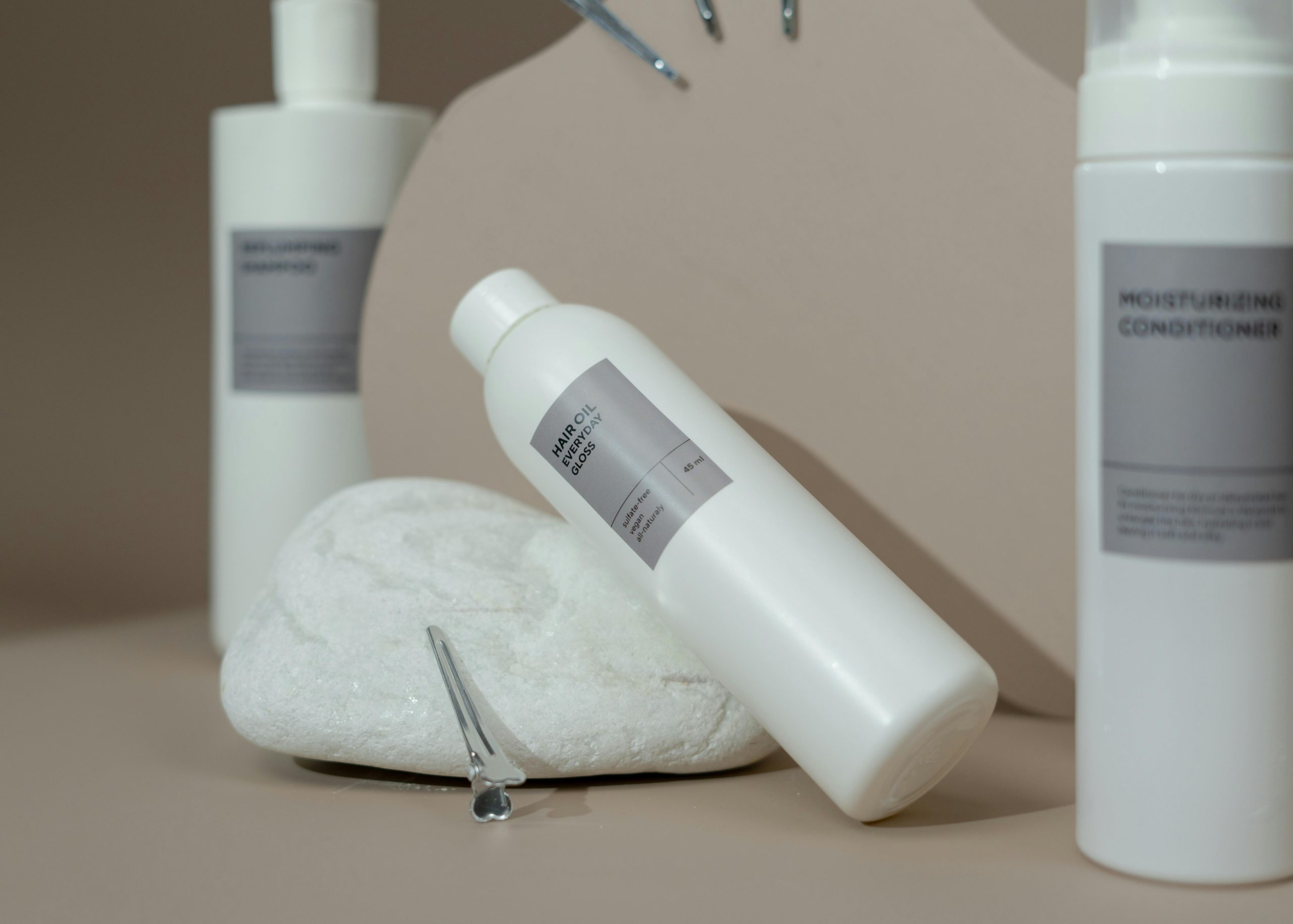
Discovering the best shampoo and conditioner transforms not just your hair, but your entire daily routine and confidence. With thousands of products claiming miraculous results, navigating the hair care aisle can feel overwhelming. This expert guide cuts through marketing hype to help you understand what truly makes shampoo and conditioner effective, how to match products to your unique needs, and which formulations deliver real results.
Why Finding the Right Shampoo and Conditioner Matters
Your hair care products are investments in your appearance, self-confidence, and overall well-being. Quality shampoo and conditioner provide immediate benefits like improved manageability, enhanced shine and luster, reduced frizz and flyaways, healthier scalp environment, and protection against environmental damage. Over time, the right products contribute to stronger, more resilient hair, reduced breakage and split ends, maintained color vibrancy, improved growth conditions, and simplified styling routines.
Poor product choices lead to buildup, dullness, increased damage, scalp issues, and frustration. The difference between mediocre and excellent hair care products is dramatic and noticeable within weeks of switching.
What Makes Shampoo and Conditioner “Best”
The best products aren’t necessarily the most expensive or heavily advertised. True quality depends on formulation, ingredients, and how well products match your specific needs.
Quality Formulation Standards
Superior shampoos balance effective cleansing with gentleness, avoiding harsh detergents that strip essential oils. They clean thoroughly without leaving residue while maintaining scalp pH balance. Quality conditioners provide adequate moisture without weighing hair down, smooth the cuticle effectively, and offer lasting benefits between washes.
Premium formulations use higher concentrations of active ingredients, advanced delivery systems helping ingredients penetrate effectively, stabilized vitamins and nutrients maintaining potency, and thoughtfully selected ingredient combinations that work synergistically.
Clean Beauty and Safe Ingredients
The clean beauty movement has transformed hair care standards. Consumers increasingly seek products free from potentially harmful ingredients while maintaining effectiveness. The best modern formulations avoid sulfates like SLS and SLES that can cause dryness, parabens raising hormone disruption concerns, phthalates linked to reproductive health issues, synthetic fragrances triggering sensitivities, and formaldehyde-releasing preservatives.
Instead, quality products use gentle cleansers like coconut-derived surfactants, natural preservatives like vitamin E and rosemary extract, plant-based conditioners like shea butter and jojoba oil, and essential oils or natural fragrances when scented.
Effective Active Ingredients
The best shampoos and conditioners deliver results through proven active ingredients. Look for hydrating ingredients like hyaluronic acid attracting and retaining moisture, glycerin drawing water into hair, and aloe vera providing lightweight hydration. Strengthening ingredients include keratin and protein complexes rebuilding damaged structure, biotin supporting hair health, and amino acids as hair building blocks.
Nourishing oils like argan oil rich in fatty acids and vitamin E, coconut oil penetrating deeply to moisturize, and jojoba oil mimicking natural sebum provide essential nourishment. Scalp health ingredients such as tea tree oil with antifungal properties, salicylic acid exfoliating and clarifying, and zinc pyrithione treating dandruff ensure a healthy foundation.
Understanding Your Hair Type and Needs
Selecting the best products starts with honest assessment of your hair characteristics and concerns.
Fine and Thin Hair Requirements
Fine hair features smaller diameter strands easily weighed down by heavy products. The best shampoos for fine hair provide volumizing effects through lightweight cleansing, remove buildup without stripping, and add body without residue. Protein-enriched formulas temporarily thicken hair shafts while rice protein and wheat protein add volume.
Conditioners for fine hair should be lightweight and non-greasy, applied only to ends, rinsed thoroughly, and formulated with volumizing ingredients. Avoid heavy oils, butters, and anything labeled “intense moisture” which will collapse fine hair. Look for products specifically marked “volumizing,” “lightweight,” or “for fine hair.”
Thick and Coarse Hair Solutions
Thick hair with larger diameter strands can handle and often needs richer formulations. The best products for thick hair provide intense moisture and hydration, smooth rough cuticles, control frizz effectively, and make detangling easier. Look for deeply moisturizing ingredients like shea butter, coconut oil, and argan oil.
Thick-haired individuals should apply generous conditioner amounts, leave products on longer than recommended minimums, consider co-washing between traditional shampoos, and use weekly deep conditioning treatments. Products labeled “moisturizing,” “smoothing,” or “for thick hair” typically provide the richness needed.
Curly and Textured Hair Essentials
Curly hair’s spiral structure prevents scalp oils from traveling down strands, making it naturally drier. The best products for curls are sulfate-free to prevent drying, intensely moisturizing, enhance curl definition, and control frizz without crunchiness.
The curly girl method emphasizes gentle cleansing, often using cleansing conditioners between traditional shampoos, generous conditioning with products containing ingredients like shea butter for deep moisture, aloe vera for definition and hydration, and jojoba oil mimicking natural sebum. Apply products to soaking wet hair and scrunch to enhance natural curl patterns.
Color-Treated Hair Protection
Chemically colored hair requires specialized care preserving vibrancy and preventing premature fading. The best color-safe products are sulfate-free preventing color molecules from washing out, contain UV filters shielding against sun damage, deposit color or tone when needed, and provide extra moisture combating chemical processing dryness.
For blonde hair, purple shampoo neutralizes brassy yellow tones, maintaining cool blonde shades. Use once or twice weekly rather than every wash to prevent over-toning. Color-depositing conditioners gradually enhance or maintain color between salon visits. Always check that products are explicitly labeled “color-safe” or “for color-treated hair.”
Damaged Hair Repair
Over-processed, heat-damaged, or chemically treated hair shows breakage, split ends, dryness, and dullness. The best repair products contain proteins and keratin rebuilding hair structure, bond-building technologies repairing chemical damage at molecular levels, intense moisturizers restoring softness, and protective ingredients shielding against future damage.
Deep conditioning treatments once or twice weekly provide intensive repair beyond daily conditioner. Look for products with hydrolyzed proteins filling gaps in damaged cuticles, ceramides restoring the protective lipid layer, and bond multipliers repairing broken disulfide bonds. Minimize heat styling and always use heat protectants when styling.
Scalp-Specific Solutions
Healthy hair starts with healthy scalp. Different scalp conditions require targeted approaches.
Oily scalp produces excess sebum making hair look greasy quickly. The best products for oily scalps provide clarifying or balancing cleansing, remove excess oil without triggering increased production, and use lightweight conditioners applied only to ends. Ingredients like tea tree oil, salicylic acid, and charcoal help manage oiliness.
Dry scalp feels tight, itchy, or flaky with small white flakes. The best products offer moisturizing, gentle cleansing with soothing ingredients like aloe vera or chamomile, and avoid harsh sulfates further drying the scalp. Look for hydrating formulas that calm irritation.
Dandruff-prone scalp produces larger, yellowish flakes from fungal overgrowth. The best dandruff shampoos contain active ingredients like zinc pyrithione, selenium sulfide, ketoconazole, or coal tar treating the underlying cause. Alternate dandruff shampoo with regular shampoo for balanced care.
Sensitive scalp reacts to many ingredients with redness, itching, or discomfort. The best products are hypoallergenic, fragrance-free, gentle formulas, free from common irritants, and pH-balanced for comfort. Test new products on small areas before full application.
Professional vs. Drugstore: Making Smart Choices
The professional versus drugstore debate continues, but the reality is more nuanced than simple price comparisons.
Professional Product Advantages
Salon and professional products typically offer higher concentrations of active ingredients delivering more noticeable results, sophisticated formulations using advanced technologies, specialized treatments for specific concerns, superior ingredient quality, and professional-grade performance. They’re developed with stylist input understanding diverse hair needs. Price points range from twenty to sixty dollars or more per bottle.
Professional products often provide better value per use despite higher upfront costs because concentrated formulas require less product per application, results last longer between washes, quality ingredients work more effectively, and professional recommendations ensure appropriate product selection.
Drugstore Product Evolution
Drugstore hair care has improved dramatically. Many mass-market brands now offer sulfate-free formulations, specialized treatments, clean beauty options, and effective results at accessible prices. Quality drugstore products can deliver excellent results for many hair types, particularly for basic maintenance and healthy hair.
Drugstore advantages include affordable pricing for experimentation, wide accessibility and convenience, improving formulations rivaling professional options, and suitable solutions for uncomplicated hair. Many people find their perfect products at drugstores, particularly if they have relatively healthy, low-maintenance hair.
Hybrid Approaches
Many people successfully combine professional and drugstore products, using professional shampoo with drugstore conditioner or vice versa, investing in professional treatments for specific concerns while using drugstore basics, rotating between professional and drugstore products based on seasonal needs, or splurging on salon products during chemical treatments while using drugstore maintenance products.
The best approach depends on your hair’s needs, concerns, and budget. Severely damaged or color-treated hair often benefits from professional products, while healthy, uncomplicated hair may thrive with quality drugstore options.
Proper Application Techniques for Maximum Results
Even the best products underperform without proper application. Mastering technique maximizes your investment.
Shampoo Application Best Practices
Begin by thoroughly wetting hair with warm water for at least sixty seconds. This opens the cuticle and allows products to work effectively. Use appropriate amounts—quarter-sized for short to medium hair, more for long or very thick hair. Quality concentrated products require less than you might expect.
Apply shampoo primarily to your scalp where oil and buildup accumulate. Focus on massaging your scalp with fingertips using gentle circular motions stimulating circulation and thoroughly cleansing. Avoid using nails which can irritate or damage scalp. The shampoo will cleanse hair length during rinsing without direct application needed.
Rinse extremely thoroughly with lukewarm to cool water. Inadequate rinsing leaves residue causing dullness, limpness, or irritation. Most people don’t rinse long enough. Continue until water runs completely clear and hair feels clean without slippery residue. This takes longer than most people think.
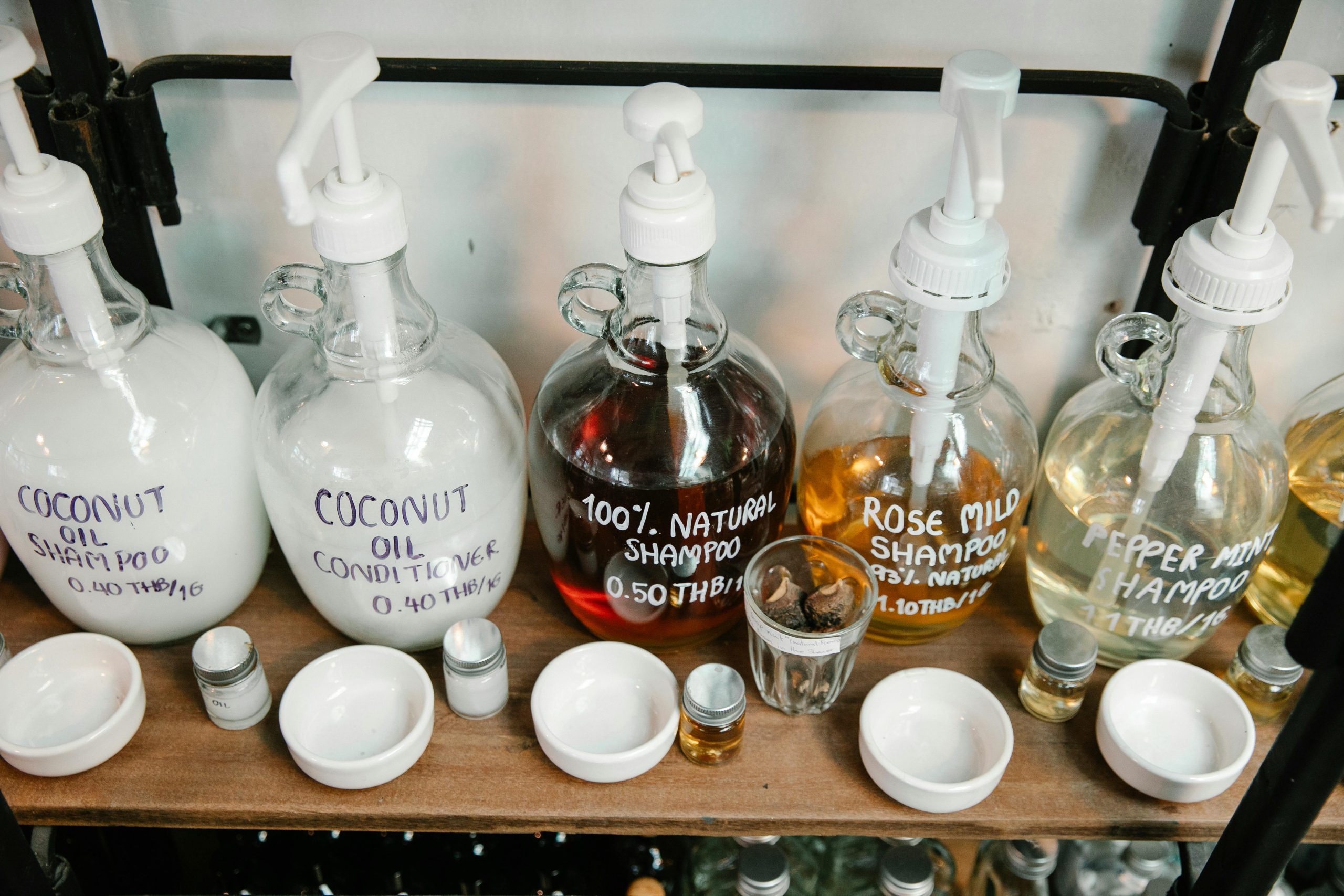
For most hair types, one shampoo application suffices. Double shampooing is necessary only with heavy styling product use or very oily hair. If double shampooing, the second lather should be briefer than the first.
Conditioner Application Mastery
After shampooing, gently squeeze excess water from hair. Conditioner works best on damp hair rather than soaking wet. Apply conditioner from mid-length to ends only, avoiding roots and scalp unless using specific scalp-treatment conditioners. Roots rarely need conditioning and applying here causes greasiness.
Use adequate product—start with nickel to quarter-sized amount, adding more if needed for longer hair. Work conditioner through hair with fingers or a wide-tooth comb ensuring even distribution while simultaneously detangling. Combing conditioner through is particularly beneficial for long or tangled hair.
Leave conditioner on for recommended time, typically two to five minutes minimum. This allows ingredients to penetrate the hair shaft. Longer application times increase benefits, so don’t rush. Use this time for other shower activities.
Rinse thoroughly with cool water. Cool water seals the hair cuticle, locking in conditioning benefits and adding shine. Many people under-rinse conditioner, leading to buildup, greasiness, or dull appearance. Rinse until hair feels smooth but not slippery with product residue.
Washing Frequency Guidelines
Optimal washing frequency depends on multiple factors including hair type, scalp condition, lifestyle, and personal preference. There’s no universal correct answer despite popular myths.
Oily hair and scalp may require daily or every-other-day washing to maintain freshness. Contrary to myths, frequent washing with gentle products won’t increase oil production. Listen to your scalp’s actual needs rather than following arbitrary rules.
Normal hair typically does well washing every two to three days. This maintains cleanliness without over-drying. Adjust based on activities, exercise, or environmental factors like humidity or pollution.
Dry, curly, or textured hair often needs washing only once or twice weekly. These hair types are naturally drier and benefit from retaining natural oils longer. Co-washing using conditioner to cleanse between traditional shampoos is popular for very dry or curly hair.
Color-treated hair benefits from less frequent washing to preserve color vibrancy. Extend time between washes using dry shampoo, which absorbs oil and refreshes hair without water. Quality dry shampoos work effectively for an extra day or two between washes.
Building Your Complete Hair Care Routine
The best results come from comprehensive routines beyond basic shampooing and conditioning.
Weekly Deep Conditioning
Beyond daily conditioning, weekly deep treatments provide intensive care maintaining long-term hair health. Deep conditioning masks or treatments repair damage, restore moisture, strengthen hair, and maintain optimal condition. Apply generously to clean, damp hair from mid-length to ends, leave on ten to thirty minutes, and rinse thoroughly.
Some treatments benefit from added heat. Wearing a shower cap or wrapping hair in a warm towel creates warmth helping ingredients penetrate deeper. Deep conditioning is particularly crucial for damaged, color-treated, or chemically processed hair needing extra care.
Clarifying Treatments
Even with quality products, buildup accumulates from styling products, hard water minerals, chlorine, natural oils, and product residue. Clarifying shampoo once weekly or biweekly removes this buildup, restoring hair’s natural state. This reset allows your regular products to work more effectively.
Clarifying shampoos use stronger cleansing agents removing everything accumulated on hair. Follow with deep conditioning to restore moisture, as clarifying can be drying. Don’t overuse—once weekly or biweekly is sufficient for most people. Over-clarifying strips too much natural oil.
Protective Measures
Prevention is easier than repair. Protect hair from damage by minimizing heat styling when possible, always using heat protectant products before blow-drying, straightening, or curling, using lower heat settings, protecting hair from sun damage with UV-protectant products or hats, using silk or satin pillowcases reducing friction and breakage, and getting regular trims every six to eight weeks removing split ends before they progress.
Avoid tight hairstyles causing traction alopecia. Use gentle hair ties without metal parts. Vary hairstyles to avoid constant tension on the same areas. Be gentle when detangling, starting from ends and working upward rather than ripping through from roots.
Water Quality Considerations
Water quality dramatically impacts hair health and product performance. Hard water containing high mineral content causes buildup, dullness, dryness, difficulty lathering, and color fading. If you have hard water, consider chelating or clarifying shampoos removing mineral deposits, shower filters reducing mineral content, or apple cider vinegar rinses dissolving buildup.
Chlorinated water from swimming is particularly damaging. Wet hair with clean water before swimming so it absorbs less chlorinated water, wear swim caps when possible, and use clarifying shampoo immediately after swimming to remove chlorine. Swimmers benefit from specialized swimmer’s shampoos designed to remove chlorine and prevent damage.
Ingredient Spotlight: What to Seek and Avoid
Understanding ingredients helps you evaluate products accurately rather than relying solely on marketing claims.
Star Ingredients Delivering Results
Keratin is a protein naturally found in hair that fills gaps in damaged cuticles, strengthens weak hair, improves elasticity, and adds shine. Hydrolyzed keratin is broken down into smaller molecules that penetrate more effectively.
Biotin (Vitamin B7) supports hair health and growth, strengthens hair structure, improves scalp health, and may reduce shedding. While biotin doesn’t dramatically accelerate growth, it creates optimal conditions for healthy hair development.
Hyaluronic acid is a powerful humectant that holds up to 1000 times its weight in water, providing intense hydration without heaviness, improving moisture retention, and enhancing hair elasticity. It’s particularly beneficial for dry, damaged hair needing hydration.
Argan oil contains fatty acids, vitamin E, and antioxidants that provide deep moisture and nourishment, add shine and smoothness, protect against heat damage, and help repair split ends. It’s lightweight enough for most hair types while providing substantial benefits.
Coconut oil penetrates hair shafts more deeply than most oils, providing intense moisture, reducing protein loss during washing, strengthening hair, and protecting against damage. It’s best for normal to thick hair; fine hair may find it too heavy.
Tea tree oil offers natural antifungal and antibacterial properties that treat dandruff and scalp issues, reduce itching and irritation, balance oil production, and provide refreshing sensation. It’s excellent for scalp health and clarifying.
Panthenol (Pro-Vitamin B5) strengthens hair, adds shine, helps retain moisture, improves elasticity, and reduces split ends. It’s suitable for all hair types and particularly beneficial for damaged hair needing repair.
Ingredients to Question or Avoid
Sulfates (SLS/SLES) are harsh detergents creating luxurious lather but potentially causing dryness, irritation, color fading, and stripping natural oils. While effective cleaners, gentler alternatives work just as well for most people. Sulfate-free has become the standard in quality hair care.
Parabens are preservatives many prefer avoiding due to potential hormone disruption concerns. While research is mixed, many brands now offer effective paraben-free alternatives using natural preservatives like vitamin E and rosemary extract.
Silicones create temporary smoothness and shine but can build up on hair over time, causing dullness, preventing moisture absorption, and requiring clarifying to remove. Some lighter, water-soluble silicones don’t cause buildup and are acceptable. Look for dimethicone on ingredient lists—this is the most common heavy silicone.
Drying alcohols like denatured alcohol, SD alcohol, or isopropyl alcohol can be extremely drying, especially in high concentrations. Not all alcohols are problematic—fatty alcohols like cetyl alcohol or stearyl alcohol are actually beneficial moisturizers. Check position on ingredient lists; if drying alcohols appear high up, products may be too drying.
Synthetic fragrances can trigger allergic reactions or scalp sensitivity in some individuals. Products simply listing “fragrance” may contain dozens of undisclosed chemicals. Fragrance-free or naturally scented products with essential oils reduce this risk for sensitive individuals.
Seasonal Hair Care Adjustments
Your hair’s needs change with seasons, requiring product adjustments for optimal year-round health.
Winter Hair Care
Cold, dry air and indoor heating create challenging conditions causing dryness, static, breakage, dull appearance, and scalp flaking. Winter hair care requires more intensive moisture with richer conditioners and more frequent deep treatments, humidifiers adding moisture to dry indoor air, protective styling minimizing exposure to harsh elements, and avoiding excessive heat styling that compounds dryness.
Switch to more moisturizing formulations during winter months. If your regular products feel insufficient, upgrade temporarily to more intense hydration options. Cover hair outdoors to protect against harsh cold winds.
Summer Hair Care
Sun exposure, chlorine, salt water, and humidity present summer challenges including UV damage and color fading, chlorine or salt water damage, increased frizz from humidity, and dryness from sun exposure. Summer protection includes UV-protectant products shielding hair from sun damage, clarifying more frequently to remove chlorine and salt, anti-humidity products controlling frizz, and deep conditioning to combat dryness.
Wet hair with clean water before swimming to reduce chlorine or salt water absorption. Rinse immediately after swimming. Wear hats during prolonged sun exposure. Consider leave-in conditioners with UV protection for added defense.
Special Considerations for Different Demographics
Men’s Hair Care Needs
Men’s hair care has evolved beyond basic 2-in-1 products. Men benefit from proper shampoo and conditioner suited to their specific needs, typically preferring lighter products for shorter styles, addressing male pattern hair loss concerns with targeted treatments, managing oily scalps common among men, and simplified routines fitting busy lifestyles.
The best products for men often feature clarifying formulas for oily scalps, strengthening ingredients if experiencing thinning, lightweight conditioning that doesn’t weigh down shorter styles, and efficient application for quick routines. Many men successfully use the same quality products as women—hair doesn’t discriminate by gender, though styling needs may differ.
Children’s Hair Care
Children’s delicate scalps and developing hair require gentle formulations avoiding harsh chemicals, using tear-free formulas for comfort, providing appropriate cleansing without over-stripping, and often addressing tangles in fine, easily matted hair. Look for products specifically formulated for children with gentle cleansers, mild or no fragrance, no harsh chemicals, and detangling properties.
Teaching proper hair care habits early establishes lifelong healthy routines. Make washing hair a positive experience using products that don’t sting eyes or irritate sensitive scalps.
Aging Hair Concerns
Hair changes with age, often becoming thinner, grayer, drier, more fragile, and losing elasticity. Mature hair benefits from gentle cleansing avoiding further thinning, intense moisture combating dryness, strengthening ingredients addressing fragility, products specifically formulated for gray hair, and volumizing formulas creating fullness.
Gray hair has different texture than pigmented hair, often coarser and wirer. Purple or blue toning shampoos prevent yellowing in gray or white hair. Moisturizing becomes increasingly important as scalp oil production decreases with age.
Frequently Asked Questions
What is truly the best shampoo and conditioner?
There is no single “best” shampoo and conditioner for everyone because hair is highly individual. The best products for you depend on your specific hair type whether fine, thick, curly, or straight, scalp condition including oil production and sensitivity, specific concerns like damage, color treatment, or hair loss, ingredient preferences and sensitivities, and budget considerations.
The best approach involves identifying your hair’s unique needs, seeking products specifically formulated for those needs, reading ingredients rather than just marketing claims, and trying products for several weeks before judging effectiveness. What works beautifully for your friend may not suit your hair at all.
How do I know if a shampoo and conditioner are actually working?
Effective products show noticeable improvements within two to four weeks including hair feeling clean without stripped or dry sensation, increased shine and luster, improved manageability with easier styling, reduced frizz and flyaways, and scalp feeling comfortable without itching, flaking, or irritation.
Your hair should look healthier overall with decreased breakage, maintained or improved condition, and goals like volume, moisture, or color protection being met. If you notice increased problems like dryness, greasiness, dullness, or scalp issues after switching products, they’re likely not right for your hair. Give new products adequate time—at least two to three weeks—before judging since hair needs adjustment periods.
Is expensive shampoo really better than drugstore brands?
Expensive doesn’t automatically mean better, but price often reflects ingredient quality, concentration of active ingredients, and formulation sophistication. Professional products typically offer higher active ingredient concentrations, more advanced technologies, better ingredient quality, and specialized treatments.
However, many drugstore brands now offer excellent formulations at accessible prices. The key is reading ingredients and reviews rather than assuming price equals quality. For healthy, uncomplicated hair, quality drugstore products often work wonderfully. Damaged, color-treated, or problematic hair may benefit more from professional products’ advanced formulations. The best value comes from products that actually work for your hair, regardless of price point.
How much shampoo and conditioner should I actually use?
Most people use too much product, wasting money and potentially causing buildup. For shampoo, use a quarter-sized amount for short to medium hair, a half-dollar size for long or very thick hair, and start conservatively adding more only if needed.
Concentrate shampoo on your scalp where cleansing is needed—it will clean hair length during rinsing. For conditioner, use a nickel to quarter-sized amount for short to medium hair, more for long hair, focusing on ends and avoiding roots. High-quality concentrated products require less volume than cheaper formulas. Using excessive product wastes money, makes thorough rinsing difficult, and can cause buildup or greasiness. Start with less and add more if genuinely needed.
Can the wrong shampoo really damage my hair?
Yes, incompatible products can cause or worsen hair problems including stripping natural oils leading to dryness and breakage, causing buildup making hair dull and limp, fading color prematurely from color-treated hair, irritating sensitive scalps, weighing down fine hair, and insufficient cleansing leaving residue.
Using products too harsh for your hair type strips protective oils. Products too heavy for fine hair cause greasiness and limpness. Harsh sulfates fade color quickly from treated hair. The wrong products won’t cause permanent damage like chemical treatments might, but they prevent your hair from looking and feeling its best while potentially creating temporary problems. Choosing appropriate products is crucial for hair health.
Should I use the same brand for both shampoo and conditioner?
Using matching products from the same line ensures formulations designed to work together, creates systems addressing specific concerns, and provides consistent ingredient philosophy. However, mixing brands is completely acceptable and often beneficial.
You might prefer one brand’s clarifying shampoo with another’s deeply moisturizing conditioner, find certain brands excel at shampoos while others make superior conditioners, or need to address different concerns requiring different brand strengths. The key is ensuring both products suit your hair type and address your concerns. Don’t feel obligated to match brands if mixing provides better results for your specific needs.
How long should I wait before switching products if they’re not working?
Give new products two to four weeks before judging effectiveness. Hair needs adjustment time when switching products, particularly if moving from silicone-heavy to silicone-free formulas where transition periods occur. Initial adjustments might include temporary dullness, slight texture changes, or different feeling.
However, immediately discontinue products causing obvious problems like severe itching, rash or hives, excessive hair loss, or worsening conditions dramatically. For subtle concerns like insufficient moisture or volume, wait the full trial period since results build gradually. Keep notes about your experience to track changes over time. If products show no improvement after four weeks, they’re likely not right for your hair.
Do I really need conditioner every time I shampoo?
For most hair types, yes—conditioning after every shampoo is beneficial. Shampoo opens the hair cuticle to cleanse effectively, and conditioner seals it back down, restoring moisture, reducing frizz, improving manageability, and protecting against damage.
Exceptions include very oily fine hair that becomes limp with any conditioner—these individuals might condition every other wash, very short hair like buzz cuts requiring minimal conditioning, or scalp treatments requiring product-free periods. If you skip conditioner, apply only to hair ends avoiding roots, use dry shampoo to extend time between washing, or try leave-in conditioners for lightweight hydration. Most people see better hair health, appearance, and manageability with regular conditioning.
Can shampoo cause hair loss or thinning?
Shampoo doesn’t cause permanent hair loss or male/female pattern baldness. However, harsh products can cause temporary issues like breakage from dryness and brittleness, scalp irritation leading to increased shedding, and damage weakening hair. You’ll notice hair in the drain when washing, but this is mostly normal shedding—people naturally lose fifty to one hundred hairs daily, and washing loosens already-shed hairs.
If you notice dramatic, excessive shedding, consider switching to gentler, sulfate-free products, avoiding harsh scrubbing that stresses hair, minimizing heat styling and chemical treatments, and consulting a dermatologist if excessive shedding continues. Significant hair loss typically stems from hormonal changes, genetics, stress, nutritional deficiencies, or medical conditions rather than shampoo alone.
What’s the deal with sulfate-free products—are they really necessary?
Sulfate-free products aren’t mandatory for everyone but benefit many hair types particularly color-treated hair where sulfates strip color quickly, dry or damaged hair already lacking moisture, curly or textured hair naturally drier, and sensitive scalps prone to irritation. Sulfates (SLS/SLES) are harsh detergents creating luxurious lather while potentially over-cleansing and stripping natural oils.
However, they’re very effective cleaners, and some hair types tolerate them fine. Very oily hair or heavy product users might need occasional sulfate shampoo for thorough cleansing. Many people compromise by using sulfate-free most of the time with occasional clarifying sulfate shampoo to remove buildup. Try sulfate-free if experiencing dryness, color fading, or scalp sensitivity.
How often should I clarify my hair?
Most people benefit from clarifying once every one to two weeks to remove product buildup, hard water minerals, chlorine from swimming, excess oil and sebum, and styling product residue. Clarifying frequency depends on product use—heavy styling products need more frequent clarifying, water quality with hard water requiring more frequent treatment, hair type where oily hair benefits from weekly clarifying while dry hair needs less, and swimming frequency.
Clarifying shampoos use stronger cleansers removing everything accumulated on hair, so don’t overuse or you’ll strip too much natural oil. Always follow clarifying with deep conditioning to restore moisture. If your hair feels limp, dull, or products don’t work as well, you probably need clarifying.
Can I fix damaged hair with the right shampoo and conditioner?
Shampoo and conditioner can significantly improve damaged hair’s appearance and prevent further damage, but they cannot permanently repair hair. Hair is dead tissue without self-healing capabilities. However, quality repair products offer substantial benefits by temporarily filling in damaged cuticle gaps with proteins and keratin, restoring moisture to dry, brittle hair, smoothing rough cuticles for improved appearance, strengthening hair reducing future breakage, and protecting against additional damage.
The best approach combines repairing products that improve hair condition and appearance, minimizing future damage from heat, chemicals, and rough handling, plus regular trims removing the most damaged sections. While you can’t reverse existing damage completely, you can dramatically improve how damaged hair looks and prevent problems from worsening.
Conclusion
Finding the best shampoo and conditioner for your unique hair requires understanding your hair type, identifying specific concerns, evaluating ingredients critically, considering lifestyle and environmental factors, and maintaining willingness to experiment thoughtfully. There’s no universal perfect product, but there are perfect products for your specific needs.
Invest time in understanding your hair’s characteristics and concerns. Read ingredients rather than just marketing claims. Give products adequate trial periods before judging effectiveness. Don’t be swayed by price alone—both professional and drugstore products can be excellent depending on your needs. Pay attention to how your hair responds and adjust accordingly.
Quality hair care products transform more than just your appearance—they boost confidence, simplify routines, and contribute to overall well-being. Your hair deserves products that truly work for it rather than against it. With the knowledge from this guide, you’re equipped to make informed decisions creating your perfect hair care routine.
Start by honestly assessing your hair type and primary concerns, then seek products specifically formulated to address those needs. Proper application technique maximizes even the best products. Build comprehensive routines beyond basic washing including weekly treatments and protective measures. Your ideal hair is achievable with the right products and practices—begin your journey to your best hair today.
Leave a Reply