Understanding Tattoo Pain and Numbing Solutions
Getting a tattoo involves repeatedly puncturing your skin with needles, and there’s no way around the fact that this causes discomfort. The pain level varies dramatically depending on the tattoo location, your personal pain tolerance, the artist’s technique, and the duration of your session. While some people embrace the pain as part of the tattoo experience, others prefer to minimize discomfort using the best numbing cream for tattoos, especially for larger pieces or particularly sensitive areas.
Numbing creams have become increasingly popular among both first-time tattoo recipients and seasoned collectors. These topical anesthetics work by temporarily blocking nerve signals in the skin, reducing or eliminating pain sensations during the tattooing process. Understanding how these products work and which ones deliver the best results can make the difference between a bearable session and an excruciating experience.
How Tattoo Numbing Creams Work
Topical anesthetics contain active ingredients that penetrate the skin’s outer layers and temporarily interrupt the transmission of pain signals from nerve endings to your brain. The most common active ingredients include lidocaine, prilocaine, benzocaine, and tetracaine, each with different penetration depths and durations of effectiveness.
When applied correctly, these creams create a numbing effect that can last anywhere from one to four hours, depending on the formulation and concentration. The skin essentially becomes desensitized to the needle’s penetration, though you may still feel pressure and vibration from the tattoo machine.
The effectiveness depends on proper application technique, timing, and the quality of the product. Higher concentrations generally provide stronger numbing, but they also carry increased risks of side effects if not used appropriately.
Top Numbing Creams for Tattoos
Premium Professional-Grade Options
Zensa Numbing Cream stands out as a Health Canada-approved option containing 5% lidocaine. Its water-based formula absorbs quickly without leaving a greasy residue that could interfere with the tattoo process. Many professional tattoo artists prefer Zensa because it doesn’t affect ink application or skin texture, and it provides consistent numbing for two to three hours.
Hush Anesthetic Gel offers a unique foam formulation with 4% lidocaine that many users find more comfortable to apply than traditional creams. The gel version penetrates quickly and works well for longer sessions. Hush also produces a spray version for mid-session touch-ups when the initial numbing begins to wear off.
Dr. Numb has built a strong reputation with a 5% lidocaine formula that includes vitamin E for skin conditioning. It provides effective numbing for two to three hours and works particularly well for smaller tattoos or touch-up sessions. The cream texture makes it easy to apply precisely to the treatment area.
Effective Mid-Range Choices
Ebanel 5% Lidocaine Numbing Cream delivers professional-strength numbing at a more accessible price point. The maximum-strength formula includes additional skin conditioners and works effectively for tattoos, piercings, and laser procedures. Users report solid numbing that lasts through most standard tattoo sessions.
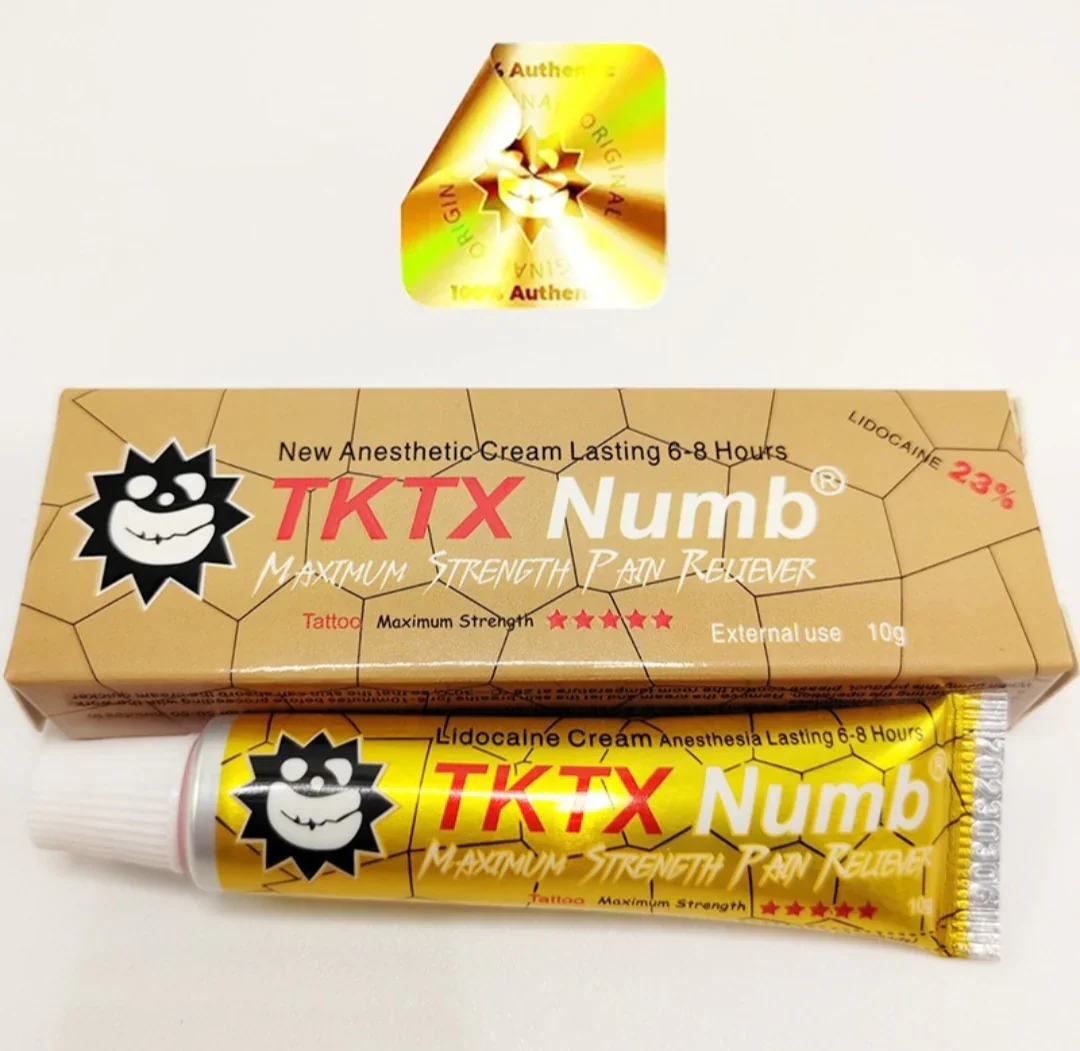
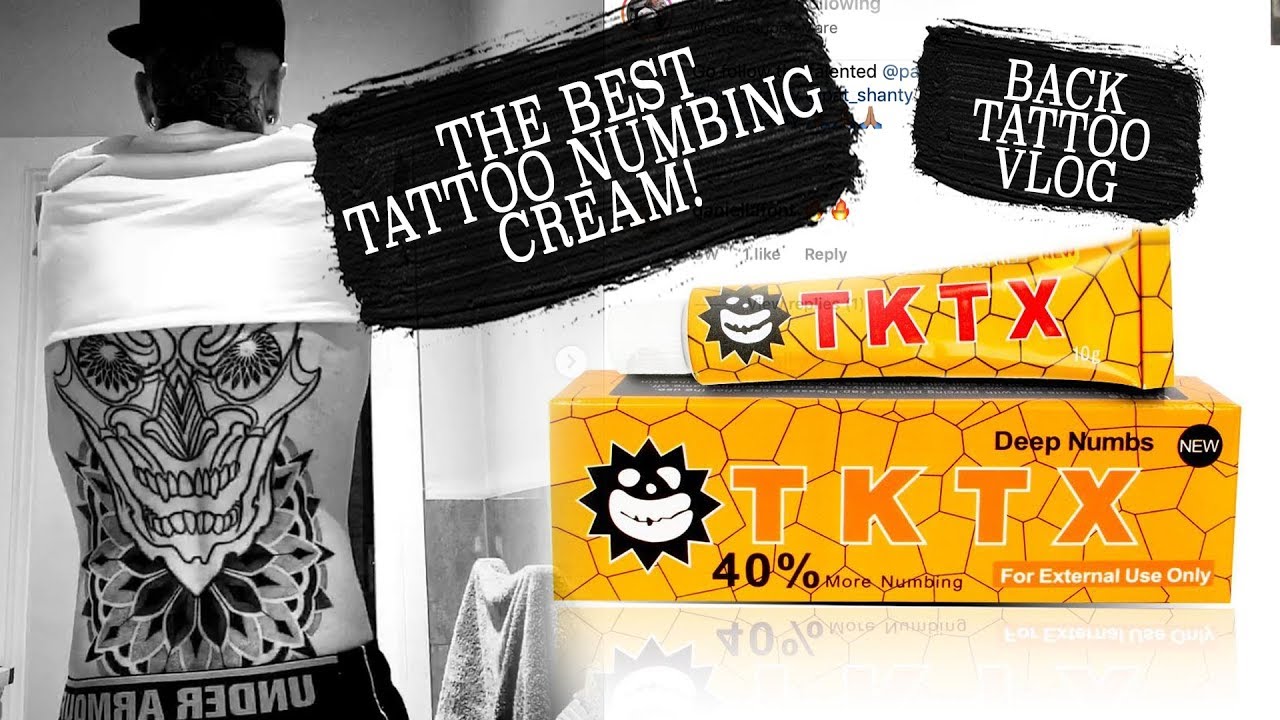
TKTX Numbing Cream comes in various color-coded strengths, with the gold and green varieties being most popular for tattoos. These contain combinations of lidocaine and other anesthetics for enhanced numbing. However, be cautious about counterfeits, as TKTX’s popularity has led to numerous fake products flooding the market.
Numb Master provides 5% lidocaine in a cream base designed specifically for tattoo procedures. It includes aloe vera and lecithin to soothe skin and improve penetration. The formula works well for both pre-procedure application and during-session reapplication.
Budget-Friendly Alternatives
J-Pro Numbing Cream offers solid performance at a lower price point. With 5% lidocaine, it provides adequate numbing for smaller tattoos or less sensitive areas. While it may not last quite as long as premium options, it’s an excellent choice for budget-conscious tattoo recipients.
Uber Numb Topical Anesthetic combines 5% lidocaine with 2% prilocaine for a dual-action numbing effect. The combination formula sometimes provides better results than lidocaine alone, and the price makes it accessible for most budgets.
Natural and Sensitive Skin Options
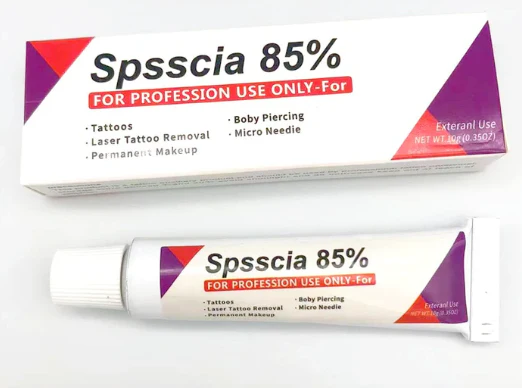
BLT Cream (Benzocaine, Lidocaine, Tetracaine) offers a compounded formula often used in medical settings. While technically requiring a prescription, some tattoo shops stock it. The triple-action formula provides deep, long-lasting numbing ideal for extensive work.
For those with sensitive skin, Zensa’s hypoallergenic formula avoids common irritants while still delivering effective numbing. Always patch test any numbing cream 24 hours before your tattoo appointment to check for allergic reactions.
Application Technique: Getting Maximum Effectiveness
Pre-Tattoo Application
Proper application significantly impacts numbing effectiveness. Begin by thoroughly cleaning the skin area with antibacterial soap and patting it completely dry. Any moisture, oil, or residue can prevent proper absorption.
Apply a thick, generous layer of numbing cream to the entire tattoo area, extending slightly beyond where you expect the tattoo to go. Many people make the mistake of applying too little product. You want a layer approximately 2-3mm thick covering the entire surface.
Immediately cover the cream with plastic wrap, creating an occlusive seal. This is crucial because it prevents evaporation, increases skin temperature slightly, and forces the anesthetic deeper into the skin layers. Secure the plastic wrap with medical tape around the edges.
Timing Matters
Most numbing creams require 30-60 minutes to reach full effectiveness, though some fast-acting formulas work in as little as 20 minutes. Check your product’s specific instructions and arrive at your tattoo appointment with the cream already applied and working.
Don’t apply the cream too early. Most topical anesthetics provide 2-3 hours of numbing maximum, so timing your application to coincide with when the needle hits your skin optimizes the duration you’ll be comfortable.
During the Session
For longer sessions, discuss with your artist about reapplication. Some creams come in spray form specifically designed for mid-session touch-ups. Your artist will need to clean the area, allow you to reapply numbing cream, wait for it to work, then continue. This obviously extends your session time but can make marathon tattoo sessions bearable.
Pain Levels by Body Location
Different body areas have vastly different pain levels during tattooing, which affects how much numbing cream helps.
Most Painful Areas that benefit significantly from numbing cream include ribs and ribcage, spine and lower back, feet and ankles, behind the knees, inner elbow and armpit, neck and throat, hands and fingers, sternum and chest, and behind the ears. These areas have thin skin, prominent bones, or high nerve density, making them particularly sensitive to needle work.
Moderate Pain Areas include outer arms and shoulders, thighs and calves, and upper back. These areas typically have more muscle or fat cushioning, resulting in less intense pain.
Less Painful Areas like the outer shoulder, forearm, and upper outer thigh may not require numbing cream for most people, though individual pain tolerance varies significantly.
Safety Considerations and Side Effects
While numbing creams are generally safe when used correctly, they’re not without risks. Understanding potential side effects helps you use these products responsibly.
Common Side Effects
Mild reactions include temporary skin redness, slight swelling at the application site, itching or mild irritation, and temporary skin blanching (whitening). These typically resolve quickly and don’t indicate a serious problem.
Serious Concerns
Allergic reactions, while rare, can occur. Symptoms include severe itching, hives, difficulty breathing, or facial swelling. If you experience these, seek immediate medical attention.
Lidocaine toxicity can occur with excessive application or if you have certain medical conditions. Symptoms include dizziness, confusion, irregular heartbeat, seizures, or difficulty breathing. Never exceed recommended dosages or apply numbing cream to broken skin or large body areas simultaneously.
Who Should Avoid Numbing Creams
Pregnant or breastfeeding women should consult their doctor before using topical anesthetics. People with heart conditions, liver problems, or taking certain medications should also seek medical advice first. Anyone with a known allergy to anesthetic agents must avoid these products entirely.
What Tattoo Artists Think About Numbing Cream
Artist opinions on numbing cream vary widely. Some welcome anything that helps their clients sit better and longer, particularly for challenging areas or marathon sessions. Comfortable clients move less, complain less, and generally make the artist’s job easier.
Other artists dislike numbing creams, arguing they can change skin texture, making it harder to work with. Some creams cause slight swelling that affects how the skin takes ink. Additionally, some artists view enduring the pain as part of the tattoo tradition and experience.
If you plan to use numbing cream, inform your artist beforehand. They may have preferences about which products work best with their technique, or they may provide their own preferred brand. Never surprise your artist with numbing cream on the day of your appointment.
Maximizing Numbing Cream Effectiveness
Several strategies enhance numbing cream performance beyond basic application.
Exfoliation
Gently exfoliating the tattoo area 24 hours before your appointment removes dead skin cells, allowing better cream penetration. Don’t over-exfoliate or irritate the skin, as this can cause problems.
Proper Hydration
Well-hydrated skin absorbs topical products better. Drink plenty of water in the days leading up to your tattoo and moisturize the area regularly, stopping 24 hours before application.
Temperature
Slightly warming the area (not hot, just warm) can improve absorption. The plastic wrap creates this effect naturally, but you can also use a warm (not hot) compress for a few minutes before applying cream.
Combination Approaches
Some people combine different numbing methods. For example, applying ice to numb the area initially, then applying numbing cream, then using a spray during the session for touch-ups. Discuss combination approaches with your artist first.
Alternatives to Numbing Cream
Not everyone can or wants to use numbing cream. Several alternative pain management strategies exist.
Breathing Techniques
Controlled breathing reduces pain perception. Deep, slow breaths activate your parasympathetic nervous system, naturally reducing pain signals. Focus on long exhales, which trigger relaxation responses.
Distraction Methods
Conversation, music, videos, or podcasts can redirect your attention from pain. Many people find that engaging their mind elsewhere significantly reduces discomfort.
Positioning
Proper positioning reduces muscle tension and fatigue, which amplifies pain perception. Work with your artist to find the most comfortable position possible for extended sessions.
Pain Relief Medications
Over-the-counter pain relievers like acetaminophen can take the edge off, though avoid aspirin and ibuprofen before tattoos as they thin blood and can cause excessive bleeding. Never take these without consulting your artist first.
Natural Endorphins
Your body releases natural pain-relieving endorphins during tattooing. Some people find that after the initial painful period, their body’s natural response kicks in and reduces discomfort.
Frequently Asked Questions
Q: Will using numbing cream affect how my tattoo heals or how the ink looks? A: When used properly, quality numbing creams don’t affect ink retention or healing. However, some low-quality products or improper application can cause skin swelling that affects how ink is deposited. Always remove all cream residue before your artist begins, and use reputable products. Discuss your choice with your artist beforehand.
Q: Can I buy prescription-strength numbing cream without a prescription? A: Over-the-counter numbing creams are limited to 5% lidocaine maximum in most countries. Stronger formulations or compound creams like BLT require prescriptions. Some tattoo shops have arrangements with doctors to provide prescription-strength options, but never use prescription products without proper medical oversight.
Q: How far in advance should I apply numbing cream before my tattoo appointment? A: Most numbing creams require 45-60 minutes under occlusive wrap to reach full effectiveness. Apply it so that it’s been working for at least 45 minutes when your artist is ready to begin. Don’t apply it more than 90 minutes before, as effectiveness will start declining before your session even begins.
Q: My numbing cream wore off halfway through my session. What should I do? A: Inform your artist immediately. They can pause the session, clean the area, and allow you to reapply cream if time permits and they’re comfortable with this. Some artists keep numbing spray for mid-session touch-ups. Alternatively, you might take a longer break to allow a fresh application to work, or decide to continue without additional numbing.
Q: Can I use numbing cream for a cover-up tattoo over an existing tattoo? A: Yes, numbing cream works on previously tattooed skin. However, heavily scarred areas from previous tattoos may not respond as well to topical anesthetics. The cream penetrates skin the same way regardless of existing ink underneath.
Q: Is it safe to use numbing cream for a very large tattoo that will take multiple sessions? A: Yes, you can safely use numbing cream for each session. Don’t exceed the recommended application area or amount in a single session. For extremely large pieces done in one sitting, discuss safety with your artist, as covering too much body surface area with anesthetic carries risks.
Q: Why do some tattoo artists refuse to work with numbing cream? A: Some artists find that certain creams change skin texture, causing it to become slippery or spongy, which affects their ability to work precisely. Other artists have had bad experiences with clients who applied products incorrectly, causing problems. Some simply believe enduring the pain is part of the tattoo tradition. Always respect your artist’s preferences or find an artist who accommodates numbing cream use.
Q: Can I make my own numbing cream at home to save money? A: No, this is dangerous. Compounding topical anesthetics requires precise measurements and proper pharmaceutical knowledge. Incorrect concentrations can cause toxicity, allergic reactions, or ineffective numbing. The cost savings aren’t worth the serious health risks. Stick to commercially prepared, properly formulated products.
Q: Does numbing cream work better on certain skin types or colors? A: Numbing cream effectiveness isn’t significantly affected by skin color, but skin thickness and hydration levels matter. Thicker skin may require longer application time or stronger concentrations. Very dry skin absorbs topical products less effectively, so proper hydration beforehand helps regardless of skin type.
Q: I have a low pain tolerance. Will numbing cream make getting a tattoo completely painless? A: Numbing cream significantly reduces pain but rarely eliminates it entirely. You’ll likely still feel pressure, vibration, and some sensation during the tattoo process. The level of remaining sensation varies by individual, product strength, application technique, and body location. It makes tattoos much more bearable but not necessarily completely painless.
Q: Can I use numbing cream if I’m getting tattooed on a bony area like my ribs or spine? A: Absolutely. These are exactly the areas where numbing cream proves most beneficial. Bony areas with thin skin and high nerve density are the most painful tattoo locations. Numbing cream can make these areas tolerable when they might otherwise be unbearable.
Q: Will my artist think less of me for using numbing cream? A: Professional artists care about creating great tattoos and maintaining good client relationships. Most don’t judge clients for using pain management tools. Everyone’s pain tolerance differs, and there’s no shame in making yourself comfortable. If your artist does judge you negatively for this, they’re probably not the right artist for you.
Making Your Decision
Whether to use numbing cream for your tattoo is personal. Consider the tattoo’s size, location, your pain tolerance, session duration, and your artist’s preferences. For many people, numbing cream transforms tattoo sessions from ordeals into manageable experiences, allowing them to get the body art they want without unnecessary suffering.
Research products carefully, follow application instructions precisely, communicate openly with your artist, and prioritize safety over cost savings. With the right approach, numbing cream can be an effective tool in your tattoo journey, helping you focus on the exciting process of getting new art rather than enduring pain.
Leave a Reply