
When a loved one needs medical care but prefers to remain in the comfort of their own home, home health care agencies provide a vital bridge between hospital treatment and independent living. These specialized organizations deliver professional medical services, personal care, and compassionate support directly to patients’ homes, allowing them to maintain dignity, independence, and quality of life while receiving the care they need.
Understanding Home Health Care Agencies
Home health care agencies are organizations that provide skilled nursing care, therapy services, and personal assistance to individuals who require medical attention but don’t need to stay in a hospital or nursing facility. These agencies employ licensed healthcare professionals who travel to patients’ homes to deliver comprehensive care tailored to each person’s specific needs.
Unlike simple companion care or housekeeping services, home health care agencies offer legitimate medical care administered by trained professionals. This includes everything from wound care and medication management to physical therapy and chronic disease monitoring. The goal is to help patients recover from illness or surgery, manage ongoing health conditions, or receive end-of-life care in the familiar surroundings of home.
Types of Services Provided
Skilled Nursing Care
Registered nurses and licensed practical nurses form the backbone of home health care agencies. These professionals provide medical care that requires clinical expertise, including administering injections, managing IV medications, monitoring vital signs, changing surgical dressings, and assessing patient conditions. Skilled nurses also educate patients and families about disease management, medication schedules, and warning signs that require immediate attention.
Physical Therapy
Physical therapists help patients regain strength, mobility, and independence after surgery, injury, or illness. They design personalized exercise programs, teach patients how to use assistive devices safely, and work to improve balance and coordination. Home-based physical therapy is particularly valuable for patients recovering from hip or knee replacements, strokes, or falls.
Occupational Therapy
Occupational therapists focus on helping patients perform daily activities independently. They teach adaptive techniques for bathing, dressing, cooking, and other essential tasks. These specialists also recommend home modifications and assistive equipment that make daily living safer and easier for people with physical limitations.
Speech Therapy
Speech-language pathologists work with patients who have difficulty speaking, swallowing, or communicating due to stroke, neurological conditions, or other medical issues. They provide exercises to improve speech clarity, teach safe swallowing techniques, and help patients develop alternative communication methods when necessary.
Personal Care Services
Home health aides assist with activities of daily living such as bathing, grooming, toileting, and meal preparation. While they don’t provide medical care, these compassionate professionals help patients maintain personal hygiene and dignity while supporting their overall wellbeing.
Medical Social Services
Medical social workers help patients and families navigate the emotional and practical challenges of illness. They connect families with community resources, assist with advance care planning, provide counseling, and help coordinate the various aspects of patient care.

Who Benefits from Home Health Care
Home health care serves a diverse population with varying needs. Seniors recovering from surgery or hospitalization often require temporary skilled nursing care and therapy to regain their strength. People with chronic conditions like diabetes, heart disease, or chronic obstructive pulmonary disease benefit from ongoing monitoring and disease management at home.
Individuals with disabilities may need long-term assistance with daily activities and specialized care. Patients receiving palliative or hospice care find comfort in receiving end-of-life support in their own homes, surrounded by loved ones. Even younger patients recovering from injuries or managing serious illnesses can benefit from the convenience and personalized attention that home health care provides.
Choosing the Right Home Health Care Agency
Selecting a home health care agency is one of the most important decisions you’ll make for yourself or a loved one. The right agency can significantly improve quality of life, while the wrong choice can lead to frustration and inadequate care.
Licensing and Accreditation
Always verify that the agency is properly licensed by your state health department. Medicare-certified agencies have met federal standards for quality and safety. Accreditation from organizations like The Joint Commission or the Community Health Accreditation Partner indicates that the agency has voluntarily met higher standards of excellence.
Staff Qualifications
Ask about the training, certification, and experience of the healthcare professionals who will be providing care. Ensure that nurses are licensed in your state and that therapists hold appropriate credentials. Inquire about background checks, ongoing training programs, and how the agency supervises its staff.
Range of Services
Make sure the agency offers all the services your loved one needs, both now and potentially in the future. Some agencies provide comprehensive care including nursing, therapy, and personal care, while others specialize in specific services. Understanding the full scope of available services helps ensure continuity of care as needs change.
Availability and Response Time
Healthcare needs don’t always arise during business hours. Ask about the agency’s availability for after-hours emergencies, weekend care, and how quickly they can respond to urgent situations. Reliable agencies have on-call staff available around the clock.
Communication and Care Coordination
Effective home health care requires excellent communication between the agency, patient, family members, and physicians. Ask how the agency keeps everyone informed about the patient’s condition and progress. Find out how they coordinate with doctors and hospitals to ensure seamless care transitions.
The Role of Medicare and Insurance
Understanding how home health care is covered can be complex, but it’s essential for financial planning. Medicare covers home health care when certain conditions are met. The patient must be homebound, meaning leaving home requires considerable effort. A doctor must order the home health care and certify that medical care is needed. The services must be provided by a Medicare-certified agency, and the patient must require skilled nursing care, physical therapy, or speech therapy.
When these criteria are met, Medicare covers the full cost of medically necessary home health visits, with no copayment or deductible for the patient. This includes part-time or intermittent skilled nursing care, physical therapy, occupational therapy, speech therapy, medical social services, and home health aide services when combined with skilled care.
Private insurance companies often cover home health care as well, though specific coverage varies by plan. Medicaid provides home health benefits in all states, with services and eligibility requirements varying by location. Veterans may qualify for home health care through the VA healthcare system. Long-term care insurance policies frequently include coverage for home health services.
The Admission Process
Starting home health care typically begins with a referral from a physician, hospital discharge planner, or family member contacting the agency directly. The agency conducts an initial assessment, during which a nurse evaluates the patient’s medical condition, home environment, and care needs.
Based on this assessment, the agency develops a personalized care plan outlining specific services, frequency of visits, and treatment goals. This plan requires physician approval and is reviewed regularly to ensure it continues meeting the patient’s needs. The care plan serves as a roadmap for all healthcare providers involved, ensuring coordinated and effective care.
Benefits of Home Health Care
The advantages of receiving professional medical care at home are numerous and significant. Patients heal faster in familiar surroundings where they feel comfortable and relaxed. Being at home reduces exposure to hospital-acquired infections and allows patients to maintain their normal routines as much as possible.
Home health care is typically more cost-effective than hospital stays or nursing home placement, making it an economically sensible option for many families. Patients receive one-on-one attention from caregivers, something that’s difficult to achieve in busy institutional settings. Family members can remain actively involved in care while learning from healthcare professionals how to best support their loved ones.
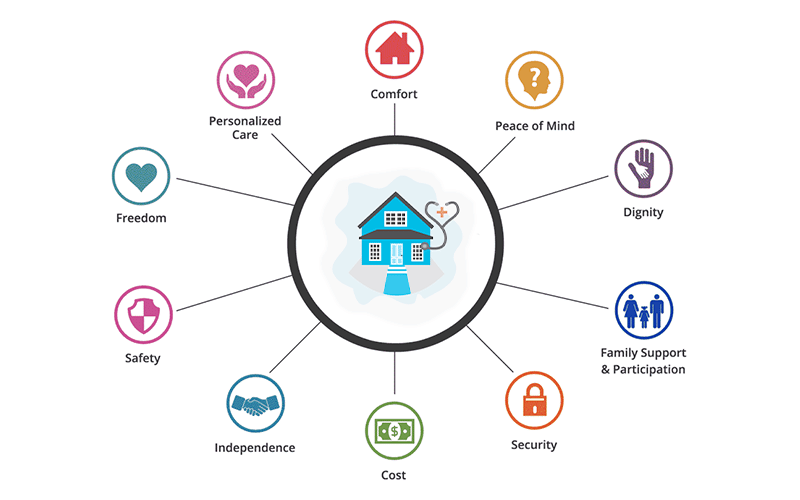
Perhaps most importantly, home health care preserves patient dignity and independence. People can age in place, remaining in the homes they love rather than moving to unfamiliar facilities. This emotional benefit often translates to better health outcomes and improved quality of life.
Challenges and Considerations
While home health care offers many advantages, it’s not without challenges. Homes must be reasonably safe and suitable for providing medical care. Some living situations present obstacles that make in-home care difficult or impossible. Family members often need to be present and involved, which can be demanding for those balancing work and other responsibilities.
Home health care is typically intermittent rather than continuous. Agencies provide visits ranging from a few times per week to daily, but patients are on their own between visits. For individuals who require round-the-clock supervision or intensive care, alternative arrangements may be necessary.
The Future of Home Health Care
The home health care industry is evolving rapidly, driven by an aging population, advancing technology, and changing healthcare priorities. Telehealth integration allows nurses and therapists to monitor patients remotely through video visits and connected medical devices. This technology extends the reach of home health care and enables more frequent monitoring without additional in-person visits.
Remote patient monitoring devices track vital signs, medication adherence, and other health metrics in real-time, alerting healthcare providers to potential problems before they become serious. Artificial intelligence is beginning to help predict patient decline and optimize care plans based on data analysis.
These technological advances complement rather than replace the human touch that remains central to quality home health care. The combination of skilled, compassionate professionals and innovative technology promises to make home health care even more effective and accessible in the years ahead.
Making the Decision
Deciding whether home health care is right for you or your loved one requires careful consideration of medical needs, living situation, family support, and personal preferences. Start by discussing options with the patient’s physician, who can provide medical perspective on care requirements and make appropriate referrals.
Tour potential agencies, ask detailed questions, and request references from current clients if possible. Trust your instincts about the agency’s professionalism and the compatibility of their approach with your family’s values and expectations.
Remember that choosing home health care isn’t an all-or-nothing decision. Many families use home health services temporarily during recovery periods or start with limited services that expand as needs increase. The flexibility of home health care is one of its greatest strengths, allowing care to be adjusted as circumstances change.
Frequently Asked Questions About Home Health Care Agencies
What’s the difference between home health care and home care?
Home health care involves medical services provided by licensed healthcare professionals such as nurses, therapists, and social workers. These services are prescribed by a physician and include skilled nursing, wound care, medication management, and rehabilitation therapies. Home care (or personal care) refers to non-medical assistance with daily activities like bathing, dressing, meal preparation, and companionship, typically provided by home health aides or caregivers. Many agencies offer both types of services, but it’s important to understand which your loved one needs.
How much does home health care cost?
Costs vary widely depending on the services required, frequency of visits, and geographic location. Skilled nursing visits typically range from $100 to $200 per visit, while physical or occupational therapy sessions cost $150 to $400 each. Home health aide services average $25 to $35 per hour. However, many patients pay nothing out-of-pocket because Medicare, Medicaid, or private insurance covers their care when medical necessity criteria are met. Always check with your insurance provider and potential agencies about coverage and costs.
Does Medicare cover home health care?
Yes, Medicare Part A and Part B cover home health care when specific conditions are met. You must be homebound (leaving home requires considerable effort), under a doctor’s care who orders home health services, require intermittent skilled nursing or therapy services, and receive care from a Medicare-certified agency. When these requirements are satisfied, Medicare covers 100% of approved home health services with no deductible or copayment. Coverage includes skilled nursing, physical therapy, occupational therapy, speech therapy, medical social services, and home health aide services when combined with skilled care.
How do I know if a home health care agency is reputable?
Start by verifying state licensing and Medicare certification through your state health department or Medicare.gov. Check for accreditation from organizations like The Joint Commission or CHAP. Read online reviews and request references from current clients. Ask about staff qualifications, background checks, training programs, and supervision protocols. A reputable agency will be transparent about their credentials, happy to answer questions, and willing to provide documentation of their licensing and insurance. Trust your instincts during initial meetings—professionalism, responsiveness, and clear communication are important indicators of quality.
Can I choose my own home health care provider?
In most cases, yes. When home health care is recommended, you have the right to select which agency provides your services. Your doctor, hospital discharge planner, or insurance company may suggest specific agencies, but the final choice is typically yours. However, if you want Medicare or insurance to cover the costs, you must choose an agency that’s certified or contracted with your insurance plan. Always verify coverage before making your final selection.
What happens if I don’t like the caregiver assigned to me?
Reputable home health care agencies want you to be comfortable with your caregivers and will accommodate reasonable requests for changes. Contact the agency immediately if you have concerns about a caregiver’s competence, professionalism, or compatibility. Most agencies will assign a different professional without penalty. Document specific concerns in case the issue needs escalation. Remember that building rapport takes time, so give the relationship a fair chance unless there are serious red flags.
How often will someone from the home health agency visit?
Visit frequency depends entirely on your medical needs and care plan. Some patients receive daily nursing visits, while others may have therapists come two or three times per week. As conditions improve or change, visit schedules are adjusted accordingly. Your physician and the home health agency work together to determine the appropriate frequency, which is documented in your care plan. Medicare typically covers intermittent care, meaning part-time or periodic visits rather than continuous 24/7 care.
What if my loved one needs more care than a home health agency can provide?
Home health agencies provide intermittent skilled care rather than 24/7 supervision. If your loved one requires constant monitoring, you may need to combine home health services with private-duty caregivers who can be present during gaps between agency visits. Alternatively, assisted living facilities or nursing homes provide round-the-clock care when safety concerns make living at home impractical. Your home health agency can help assess whether current living arrangements are adequate and recommend alternatives if needed.
Are home health care workers bonded and insured?
Legitimate home health care agencies carry liability insurance and typically bond their employees, protecting clients against theft or property damage. This is standard practice for reputable agencies. Always ask potential agencies about their insurance coverage and employee bonding during your initial consultation. Independent caregivers hired privately may not carry insurance, which is one reason many families prefer working with established agencies despite potentially higher costs.
Can home health care help with medication management?
Yes, medication management is a core service provided by home health nurses. They organize medication schedules, educate patients and families about proper medication use, monitor for side effects or drug interactions, administer injections or IV medications when prescribed, and ensure prescriptions are filled and taken correctly. Nurses also coordinate with physicians and pharmacists regarding medication questions or concerns. Proper medication management is crucial for patients with multiple prescriptions or complex treatment regimens.
What qualifications should I look for in home health care providers?
For skilled nursing care, look for registered nurses (RNs) or licensed practical nurses (LPNs) with current state licenses and experience in home health settings. Physical, occupational, and speech therapists should hold appropriate professional licenses and certifications. Home health aides should have completed state-approved training programs and hold current certifications. All staff should have passed background checks, have CPR certification, and participate in ongoing continuing education. Ask agencies about their hiring standards, training programs, and quality assurance processes.
How does home health care coordinate with my doctor?
Home health agencies work closely with your physician throughout your care. Before services begin, your doctor must provide orders specifying what care is needed. Home health nurses regularly update your physician about your condition, progress, and any concerns. Changes to your care plan require physician approval. The agency sends detailed progress reports to your doctor’s office, ensuring everyone involved in your care has current information. This coordination is essential for effective treatment and is a standard part of home health care protocols.
What should I do to prepare my home for home health care?
Create a safe, accessible environment for caregivers to work effectively. Clear pathways to eliminate tripping hazards and ensure adequate lighting throughout your home. Set up a comfortable area where caregivers can provide treatment with good lighting and access to necessary supplies. Keep a list of current medications, allergies, emergency contacts, and important medical information in an easily accessible location. If medical equipment will be used, designate appropriate space for storage and operation. Your home health agency will conduct a safety assessment and recommend specific modifications if needed.
Can family members be present during home health care visits?
Absolutely. Family presence is generally encouraged during home health care visits. Being present allows family members to learn care techniques, ask questions, understand treatment plans, and stay informed about their loved one’s condition. Many home health professionals specifically teach family caregivers how to assist with certain tasks between visits. However, there may be times when the healthcare provider needs privacy with the patient for assessment or personal care. Discuss your preferences with the agency so they can accommodate your family’s involvement level.
What happens if my condition improves or worsens?
Home health care is designed to be flexible and responsive to changing needs. If your condition improves significantly, your care plan will be adjusted to reduce visit frequency or transition you to less intensive services. When medical goals are met, services may be discontinued with your physician’s approval. Conversely, if your condition worsens or new issues arise, the agency can increase visit frequency, add additional services, or recommend higher levels of care such as hospitalization if necessary. Regular reassessments ensure your care always matches your current needs.
Leave a Reply